Sara Kehaulani Goo | From "Washington Post" to "Kuleana" | Aloha ʻĀina & Kuleana
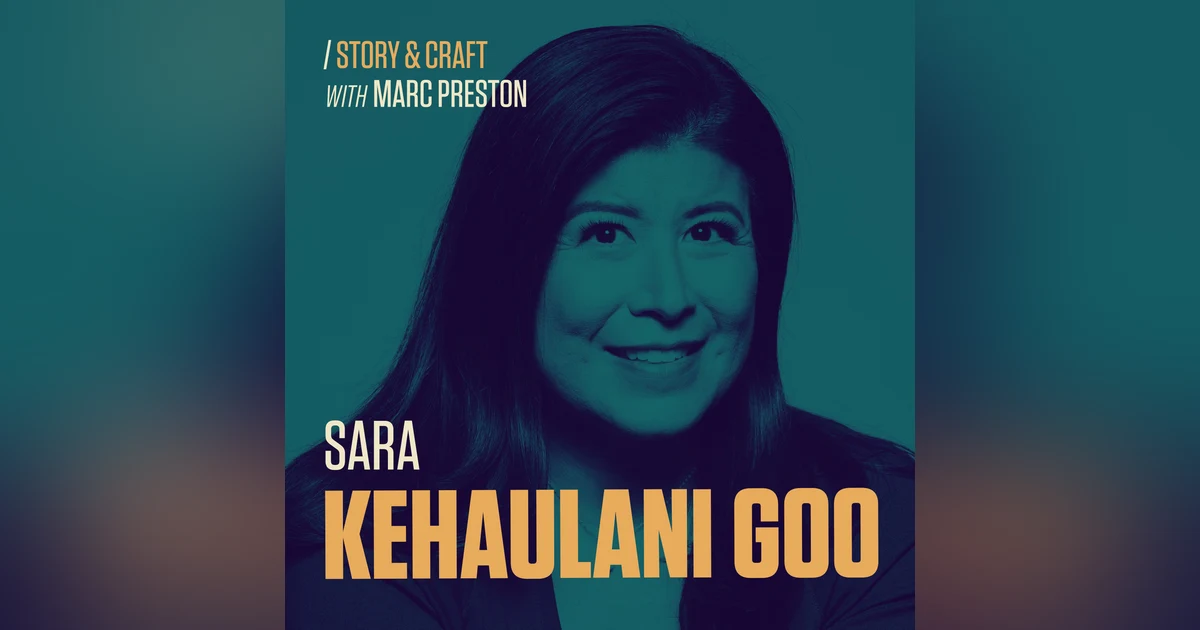
On this episode of Story & Craft, we sit down to chat with Journalist and Author Sara Kehaulani Goo from the Washington Post to discuss her career, personal stories, and her new memoir, "Kuleana."
On this episode of Story & Craft, we sit down to chat with Journalist and Author Sara Kehaulani Goo from the Washington Post to discuss her career, personal stories, and her new memoir, "Kuleana."
Sara shares how her early days in a print newsroom sparked a lifelong passion for storytelling, eventually leading her to cover major national events like the aftermath of 9/11. We chat about her approach to learning the ropes, intentionally moving to unfamiliar cities to broaden her perspective, and the thick skin required to maintain integrity in a fast-paced media landscape. Sara also opens up about the massive digital shift facing the news industry and the ways legacy media is now partnering with independent online creators to reach modern audiences.
Beyond the news desk, Sara talks about the inspiration behind her memoir, "Kuleana," which looks at her Hawaiian heritage and her family's fight to hold on to their ancestral land. We discuss the complex realities of life in Hawaii today, the impact of outside real estate investments on the local culture, and, naturally, our shared appreciation for a perfectly made plate of Spam musubi. It is a grounded, eye-opening conversation about history, responsibility, and the importance of knowing where you come from.
SHOW HIGHLIGHTS
[00:14:00] | The thrill of stepping into a newsroom and the daily pressure to deliver
[00:16:37] | Why immersing yourself in unfamiliar cities is the ultimate training ground for storytellers
[00:20:19] | How covering the aftermath of 9/11 shaped her understanding of a changing nation
[00:22:42] | Recognizing the impending digital disruption of the news industry
[00:25:25] | The challenge of funding trusted journalism in a digitally fractured world
[00:30:00] | Why traditional legacy media must partner with independent online creators
[00:35:32] | The rising trend of journalists cutting out the middleman to build direct audiences
[00:40:45] | The thick skin and unwavering principles required to be a reporter today
[00:46:45] | The cultural and economic toll of treating Hawaiian real estate strictly as an investment
[00:53:00] | The Seven Questions
STAY IN THE KNOW
- Website: https://www.storyandcraftpod.com
FOLLOW THE SHOW
- Instagram: https://www.instagram.com/storyandcraftpod
- Facebook: https://www.facebook.com/storyandcraftpod
CONNECT WITH MARC
- Instagram: https://www.instagram.com/airpreston
- Facebook: https://www.facebook.com/marcpreston
Hosted by Simplecast, an AdsWizz company. See pcm.adswizz.com for information about our collection and use of personal data for advertising.
Don’t forget to like, subscribe and follow!
Show Site: https://www.StoryAndCraftPod.com/rate
Show Substack Page: https://storyandcraft.substack.com
Show Facebook Page: https://www.facebook.com/storyandcraftpod
Show Instagram: @StoryAndCraftPod
Show Bluesky: @storyandcraftpod.com
YouTube: https://www.youtube.com/@storyandcraft
Marc’s Facebook Page: https://www.facebook.com/marcpreston
Marc’s Instagram: @airpreston
Marc's Bluesky: @marcpreston.com
[00:00:00] Sara Kehaulani Goo: You know, you ask people today in polls, who do you trust for news and how do you decide? And they say, "I decide. I'm the one who has to figure that out." Yeah, yeah. That's a lot, you know, that we're asking of people, and I get exhausted myself.
[00:00:13] Announcer: Welcome to Story and Craft. Now, here's your host, Marc Preston.
[00:00:18] Marc Preston: Okay, here we go, back again, another episode of Story and Craft. How you doing? Doing okay? Good to have you back. If this is your first time coming by, uh, welcome. Thanks so much for checking in, uh, checking out the show. Today, having a great conversation. This is gonna be fun. We kind of... It's kind of a, a, a two-parter, if you will.
[00:00:38] Marc Preston: Sitting down with Sara Kehaulani Goo. Uh, she's an author. She is a journalist, uh, been at the Pew Research Center as the senior digital editor. She was the managing editor for digital news at NPR. She was the editor-in-chief at Axios. Right now she's the president of The Washington Post Creator Network. So we talked a lot about journalism, how we, [00:01:00] how we get our news.
[00:01:01] Marc Preston: It's, you know, in this day and age, things are happening, like, really quickly, as you know. Uh, now, also as an author, she wrote a memoir called Kuleana, which is about the cultural, financial, and just the changes happening in Hawaii, and I love Hawaii. I mean, if you've ever been there, it's easy to fall in love with it.
[00:01:18] Marc Preston: It's got such a rich history, and she taps into that, and, uh, we have a great discussion. Naturally, we're, we're gonna talk Hawaiian food a little bit. I mean, you know me. If you've been here before, uh, you know the chance for me to discuss spam musubi is, well, it's gonna happen. But a great conversation with Sara, uh, really an opportunity to talk with someone who is really kind of on the vanguard of what it is that's happening now and what will be happening in news media and how we get it.
[00:01:45] Marc Preston: A lot of fast changes are going on, and, uh, what a, what a treat it is to have someone who is kind of right there in it to, uh, shed a little light. Okay, do me a quick favor if you would before we get into it. Uh, make sure to follow Story and [00:02:00] Craft. Whatever podcast app you use, make sure to follow. That way you get a notification every time a new episode comes out.
[00:02:06] Marc Preston: Uh, make sure to like the show, leave a comment. It does help people to find Story and Craft, and I appreciate you doing that. Uh, and also, everything you want to know about the show, uh, past guests, past episodes, everything is at storyandcraftpod.com. Just head there. It's, it's all waiting for you. All right, so let's get after it.
[00:02:26] Marc Preston: Time to talk story, because today is Sara Kehaulani Goo Day right here on Story and Craft.
[00:02:35] Announcer: Where are you joining me from today?
[00:02:36] Sara Kehaulani Goo: Uh, I'm in my office at The Washington Post in Washington, DC. Oh, okay. Yeah. And you're in South Padre, Tim? I am South
[00:02:44] Marc Preston: Padre Island, yeah- Hey ... on the, uh, very tip of the South Texas coast.
[00:02:48] Marc Preston: But how long have you lived in Washington? I know, I mean, of course you're there for work, but- Too long. Too... You know what? Honestly, I, I feel exhausted by Washington, and I've only seen it on the news. I've never been there in person, but- I know, it's- You know, [00:03:00] I've always wanted to go, but- now I have always wanted to go, though.
[00:03:02] Marc Preston: Uh, you know, I've always- Yeah ... my- it's one of the things my grandparents were, like, world travelers, and my grandmother, the one thing, you know, she said, "I've always wanted to go to Washington, DC." I was like, she always wanted to see it. She never did. They've been everywhere else. Asia, New Europe, e- everywhere, you know.
[00:03:14] Marc Preston: Now, you grew up in Southern California, but your, all your people are from Hawaii. And I saw somewhere, I don't do a ton, a ton, a ton of research, but I'd like to just kind of get- ... a general idea. But you're related to King Kamehameha?
[00:03:26] Sara Kehaulani Goo: Um, no, um, not as far as I know. Oh, okay. Um, my family, my family, uh, received a very large land grant from King Kamehameha III.
[00:03:37] Marc Preston: Oh, okay.
[00:03:38] Sara Kehaulani Goo: Um, so that's where we got our ancestral land. Um, and so, um, there's a lot of, uh, genealogy into kind of, like, how that happened and why, and our relationship with Um, our family's ties to the royal family, but we're not related. Um-
[00:03:56] Marc Preston: Yeah, that's the one thing that's, that I, I have a love for, [00:04:00] uh, the Hawaiian culture, but it wasn't like they were, a lot was being written down.
[00:04:03] Marc Preston: It was more of a, v- uh, uh, a, um, not a verbal culture. What's the phrase? Uh, oral culture. An oral- It's more of- Yeah ... an oral culture. And through dance, uh, even, you know- Mm-hmm ... the, the music that was... It's not like you can go do the same kind of, uh, 23andMe or, or I guess they're not around anymore. Uh, like ancestry.com.
[00:04:21] Marc Preston: You can't really go do that being from Hawaii. You have to kinda rely upon the, the stories that come through. Was that
[00:04:28] Sara Kehaulani Goo: when your- It's a little bit of both. There are, there are some good, there are some decent records, uh, census records, and, um, there are a lot of, like, newspapers. Um, Hawaii actually was one of the most literate nations in the world in the 1800s, early 1800s.
[00:04:44] Sara Kehaulani Goo: But of course, that language is Hawaiian, so they publish all these newspapers, and they have all these records that now been digitized, but you have to know the language to, of course, translate all of that. So-
[00:04:54] Marc Preston: I got it. Well- Yeah ... I will say this. Just, just, I'm gonna earn my bona fides here, you know? But, uh, I [00:05:00] can make some killer Spam musubi.
[00:05:01] Marc Preston: I'm just saying. I know-
[00:05:02] Sara Kehaulani Goo: Can you? I- Oh, okay.
[00:05:05] Marc Preston: And it's, there's the, I know the balance between the soy sauce, rice wine vinegar- Yum ... and the sugar. I've gotten it just right, you know. Uh-
[00:05:11] Sara Kehaulani Goo: Okay. E- even- Do you have your own little mold
[00:05:13] Marc Preston: that
[00:05:13] Sara Kehaulani Goo: you make?
[00:05:14] Marc Preston: I, I, I do. I do have the mold to make it. And we do have the nori to wrap it up in.
[00:05:19] Marc Preston: But, you know, one of the ways that we like to prepare it is actually just put the, you know, we'll do it like that, but sometimes if we're feeling a little lazy, you know, I say we, the kids and I. Um- ... it was, we just kinda put, like, some of the rice, a little bit of the furikake on the rice, and then kinda- Yeah
[00:05:31] Marc Preston: lay it on, lay the little planks of the Spam on top, and kinda, you know, as opposed to wrapping it up. And then it's always- Yeah ... so good the next day. You know, like you d- you know, you just kinda- That's good ... chop it up and throw it into the mix. I'm impressed, Marc.
[00:05:43] Sara Kehaulani Goo: I'm very impressed.
[00:05:43] Marc Preston: Oh,
[00:05:44] Sara Kehaulani Goo: okay. You can, just a tip, you can get a little Spam musubi mold on Amazon for, like, five bucks.
[00:05:50] Marc Preston: Oh, no, I've got a couple of the little acr- acrylic ones. Oh, do you?
[00:05:52] Sara Kehaulani Goo: Okay. Yeah,
[00:05:53] Marc Preston: yeah, yeah. I've got those. Yeah, yeah. I kn- I don't know. I'm kind of, um, you know, it was funny 'cause my daughter, my youngest daughter, who's 20, went [00:06:00] to Hawaii with her boyfriend, I think it was last year. And she couldn't get him to try the Spam musubi, but they grew up- Oh
[00:06:07] Marc Preston: I mean, since she was a baby, or not baby, but she was about a year old is the first time she tasted it. That's, you know, 'cause I came back from Hawaii and we're like, "This is so good." That was just sort of one of the things that in the family was just getting made. And we're Jewish, along with matzo ball soup.
[00:06:19] Marc Preston: That's another recipe they have is Spam musubi. So my youngest is actually the one who makes it. And so she, uh, she does a really good job. She, now she doesn't use the little, uh, what was, like, the egg thing. You know, 'cause when they get the Spam and you cut it some, this, everything's uniform. No, she freehands it- Yeah
[00:06:35] Marc Preston: you know, and she does it-
[00:06:37] Announcer: Okay ...
[00:06:37] Marc Preston: and so that's, uh- Okay. No, I understand ... anyway, that, that and loco moco or something we do down here is, uh- My, my oldest daughter's name is Lily. We do a version called Loco Lily. Instead of using ground beef- ... we mix in chorizo 'cause, you know, we're in the South.
[00:06:50] Announcer: Oh,
[00:06:50] Marc Preston: that's good.
[00:06:50] Marc Preston: And, uh, so yeah. Oh, yeah, I got much love for all, all foods Hawaiian, and if anybody listens to this program- Oh, right ... I always end up talking about food, so, um, but- Now, [00:07:00] you, you're growing up in Southern California, so i- is- are both your parents originally from Hawaii, or you just have one parent-
[00:07:05] Sara Kehaulani Goo: Just my dad's side is from Hawaii.
[00:07:07] Marc Preston: Okay.
[00:07:07] Sara Kehaulani Goo: Yeah, my dad's, uh... My, my grandparents both grew up there, uh, my grandmother from Maui, um, and my grandfather from Oahu, um, Honolulu. And then they had their kids, uh, my father was born in Southern California. And then when my grandparents retired, they moved back to Hawaii. So it was kind of this, you know, that helped us, I think, maintain our ties, uh, to the islands even though we didn't, I didn't grow up there.
[00:07:35] Marc Preston: When you were young, were you traveling? Was it part of your life where, you know, y'all would go there regularly and see family or just, you know, travel?
[00:07:42] Sara Kehaulani Goo: Yeah, definitely. Um, we have a lot of family there a- across those two islands in particular, and I would say more than anything, I was just raised in the culture.
[00:07:51] Sara Kehaulani Goo: My grandmother, my grandparents both, like every... We, we have a big family. My, my dad is one of seven siblings. Really? Okay. So like a [00:08:00] lot of Hawaiian families, um, you know, eight kids. Um, we'd all gather together, and every gathering was really Hawaiian food. It was like, you know, kalua pork. It was, um, sometimes kalua turkey.
[00:08:14] Sara Kehaulani Goo: It was teriyaki spare ribs. It was all of the foods that you would see at a luau
[00:08:20] Marc Preston: pretty
[00:08:21] Sara Kehaulani Goo: much.
[00:08:21] Marc Preston: Well, you, but, but you know the one I- In your heart ... want to try that I never have is the haie? No, it's, it's, uh, it's the octopus with the, uh, like chopped up into pieces into like this, they reduce like a- Oh, God, what is it?
[00:08:34] Marc Preston: It's like a... You know what it looks like? It looks like spinach artichoke dip. Is it
[00:08:38] Sara Kehaulani Goo: like a poke?
[00:08:39] Marc Preston: No, it, it, it- Um- ... it, it, that's what it l- it looks like spinach artichoke dip, but it's not. It's like they reduce, like, greens down with, like, I think cream or- Oh, like
[00:08:47] Sara Kehaulani Goo: an octopus salad kind of thing?
[00:08:48] Marc Preston: Yes, yes. Yeah, that, that- They
[00:08:49] Sara Kehaulani Goo: marinate the...
[00:08:50] Sara Kehaulani Goo: Yeah. Yeah.
[00:08:51] Marc Preston: Yeah, that's something I've always wanted to try, you know? But, uh, but yeah, that's c- from what I understand, that's something that shows up in every luau. It's kind of like, I, I lived in... I'm a Texas kid, but I grew- [00:09:00] I spent 20 years in New Orleans, and whenever they have a get-together, there's always jambalaya.
[00:09:04] Marc Preston: It's always part of- Yeah ... whatever, you know, is there. So this octopus thing I saw, I think I f- I was watching, uh... Oh, gosh, I, uh, Andrew Zimmern, I think, uh, you know, the food guy who was- Oh, yeah ... out there. Where did your mother, uh, where are her people from, uh, for the most part?
[00:09:19] Sara Kehaulani Goo: My mother grew up in LA, like Long Beach area, and, um, her family...
[00:09:24] Sara Kehaulani Goo: I mean, my family's kind of like East meets West. I mean, my mom is, her family heritage lineage is really from England and Scotland and Ireland, and she, she's very into genealogy. In fact, she's more into genealogy than maybe my dad's side. So she was really helpful to me in helping to kind of research everything I needed for this book.
[00:09:45] Sara Kehaulani Goo: Really? She has, like, des-
[00:09:46] Marc Preston: Okay.
[00:09:46] Sara Kehaulani Goo: Oh, yeah, she has descendants that are more like, you know, uh, she can trace back to the Mayflower that, you know-
[00:09:53] Marc Preston: Wow, okay ...
[00:09:54] Sara Kehaulani Goo: Founding Fathers. I mean, she's got real interesting stories.
[00:09:57] Marc Preston: Isn't that crazy when you dig in and go, "Oh, wow, that's part of who [00:10:00] I am as well," you know? I know I've mentioned it here- Yeah, definitely
[00:10:02] Marc Preston: a couple times, but I, you know, my family being Ukrainian and Is- Israeli, you know, the Jewish, you know, uh- Mm-hmm ... you know, the r- the main course, if you will. Uh- Yeah ... but I found out I'm one quarter Scottish, and, you know, my family got here in 1907. But the Scottish side, I found out they actually were part of a group of people who actually financed the Mayflower.
[00:10:21] Marc Preston: I, I don't... There's- No way. There, there's something called the something society, like, the... I forget what it was called. But it dug in, I mean, I could go back to the, I think, 1600s. Thank you, ancestry.com. This message brought to you by. Yeah. You know, um, so, uh, but yeah, that is so neat when you can go back in and go, you, you identify with a certain- Yeah
[00:10:40] Marc Preston: you know, thing so strongly, and then you look and go, "Oh, but this is part of who I am as well," you know? So that's kind of int- that's, that's very interesting. But was there surfing in your family? Um, because it sounds like, you know, Southern California- ... Hawaii. Was that part of the ecosystem of, uh, of your, of your family?
[00:10:56] Sara Kehaulani Goo: I definitely grew up in a surf town in California, [00:11:00] um, right on the water, on the beach, and, and, um, Orange County. Um, so that was part of, like, the culture I grew up in as well. Although I didn't really learn to surf till later after high school. My brother's really into it, but, and other family members are too in Hawaii.
[00:11:18] Sara Kehaulani Goo: But I would say, like, I personally am not. Like, I think that's, um, l- like what a lot of people assume. "Oh, you surf. You dance hula." Well, actually I'm more of a hula person than a surfer Right.
[00:11:29] Marc Preston: Well, it depends how many Mai Tais are involved, you know? It's
[00:11:32] Sara Kehaulani Goo: a-
[00:11:32] Marc Preston: Yeah. No, I, uh, one of my favorite documentaries ever was, uh, called, uh, Riding Giants.
[00:11:37] Marc Preston: It's, uh, it came out 2004. It's about- Mm-hmm ... I mean, one of my favorite documentaries. It actually covers a lot of the history of Hawaii as well as, uh, surfing and how the two are connected and, and it was, uh, uh, Stacy Peralta was the director. Uh, back when we were- Mm-hmm ... younger, he was one of, you know, Powell Peralta skateboards, but I guess he got into directing.
[00:11:55] Marc Preston: And it really covered how all these, these guys in the 19, I think late 1950s, early [00:12:00] 1960s, they were doing their thing in Southern California, but they would go to Hawaii to do their surfing, you know, back, you know, uh, you know, wintertime when the, the waves were big. And there was a strong connection between, uh, Southern California and Hawaii.
[00:12:13] Marc Preston: There was a symbiosis going on.
[00:12:15] Sara Kehaulani Goo: Oh, yeah.
[00:12:15] Marc Preston: Um, so w- what kind of work, uh, did your folks do? Or does your folk- do your folks do?
[00:12:20] Sara Kehaulani Goo: Uh, my parents are retired now, just recently, but you know, I grew up in really the suburbs of Orange County. Uh, my dad worked in the tech industry. Um, he worked for Intel Corporation- Mm-hmm
[00:12:33] Sara Kehaulani Goo: for most of his career. Um, you know, computer chips and computer science. Um, and my mom was a nurse. She was, you know, real typical American, I think, family. She worked in hospitals, she worked in schools. She had all kinds of nursing jobs, and I have a lot of nurses in my family. Mm-hmm. So, uh, journalism, writing, all of those things that I ended up getting into were very, very different from, I would say, [00:13:00] what I grew up around.
[00:13:01] Sara Kehaulani Goo: And I think that's why I was just very curious and to get out of Orange County, to get out of the world, the bubble I had grown up in, to see more and to understand. We were just talking about history. I'm a huge lover of history and it fascinates me, and so the idea to write about history as it's being made every day as a journalist was something that always really appealed to me.
[00:13:23] Sara Kehaulani Goo: So that's kind of how I ended up making my way from, you know, Southern California from one coast to the other to Washington, DC, and a few stops along the way.
[00:13:33] Marc Preston: When did that, I don't want to say the bug, but when did the bug bite you? When, when was it that you had a sense that there was a gravity pulling you in that direction?
[00:13:41] Marc Preston: Were you, like, in high school or was it in college when you were kind of exploring?
[00:13:45] Sara Kehaulani Goo: Good question. I feel like I'm one of those very lucky people who knew what I wanted to do very early on in high school. I wrote-- I, you know, was editor of the yearbook. I loved-- You know, had internships and some exposure to my local, um, [00:14:00] newspaper.
[00:14:00] Sara Kehaulani Goo: Um, and so the moment I stepped into a newsroom, I think it was the Orange County Register, I was like, "This is the place for me." And the fact that you could be paid to write every day was just amazing to me. So I loved that, and more than that, I also just loved the thrill of getting up in the morning not knowing what you're gonna write about, but knowing by the end of the day, the next day it would be in print for, like, thousands of people to read, and that was a real thrill to challenge yourself every single day to do.
[00:14:31] Sara Kehaulani Goo: So I loved that, kind of the pressure, the demands of it, but also the opportunity to learn something new every day and share with readers what I learned every day. And I also saw it as kind of a, a public service. I know- Right ... uh, journalism and journalists in particular aren't trusted by a lot of people these days, unfortunately.
[00:14:50] Sara Kehaulani Goo: But the people who do this work, like myself, I mean- All of us, a lot of us get into that because we care about, you know, information that can empower [00:15:00] people. It's critical to our democracy. So- Oh, yeah ... sounds- I mean- ... dramatic and high-minded, but I mean, truly, I think it's a really cool part of our country that-
[00:15:08] Marc Preston: Well, no, no, I, I totally identify.
[00:15:11] Marc Preston: I me- I, I followed, uh, kind of a d- little bit different path, then I diverted. I took the off ramp into doing some other things. But I worked in radio, uh, starting when I was 17 in, in Dallas. Broadcast journalism, TV, it was something that really intrigued me. My second university was Texas Tech University. I remember walking in, I was interning at the local ABC affiliate, and I remember walking in the newsroom, the buzz, hearing the police scanners in the background with the assignment editor, and like there was like this electricity.
[00:15:39] Marc Preston: And at the same time I was going to school and I had a wonderful, uh, journalism teacher, and he communicated something really interesting to me. No matter how hard you work to kind of extinguish any kind of bias you have, there's still some things that are there, you know, where you came from, your point of view.
[00:15:55] Marc Preston: And so the part of being a journalist is working and being mindful and [00:16:00] being diligent that you cannot be 100% objective, but that's the aspiration. And so I think that that just kind of stuck with me as, as a very noble endeavor, knowing that you- we're kind of, we're not flawed, but we come with our own baggage, if you will.
[00:16:13] Marc Preston: And-
[00:16:14] Sara Kehaulani Goo: Yeah ...
[00:16:14] Marc Preston: what were the kind of the initial stops along the way as you're, as you're forming your aspirations of where you wanted to go? Where were the kind of pivotal stops along the timeline for you?
[00:16:23] Sara Kehaulani Goo: As a journalist? Um-
[00:16:24] Marc Preston: As a journalist, yeah, yeah.
[00:16:25] Sara Kehaulani Goo: Yeah, I mean, I, you know, really, um- And grateful to have had a lot of, um, you know, opportunities to really live in a lot of different parts of the country through journalism.
[00:16:37] Sara Kehaulani Goo: And that was really a big part of my training, was, like you said, you grow up in one part of the country and that's all you know. And, you know, part of the training for me was throwing myself into different environments that I had to learn everything about a city from, you know, start to finish: its history, its people, its power centers, its industry, you know, uh, its players, [00:17:00] um, uh, political players.
[00:17:01] Sara Kehaulani Goo: Um, so all of that was a new, exciting new project everywhere I moved. And so I purposefully moved myself to college in the Midwest, where I was very unfamiliar with, like- ... went to school with farm kids. Um, that was new for me. And then, you know, moved to other places like Detroit, you know, a city that was really struggling to remake itself and rebuild itself, to Boston, um, a city that was, you know, full of history, but also very, um, different in terms of even just like the way you get around was, you know, very different from Southern California with, you know, everybody walks everywhere or takes the subway.
[00:17:40] Sara Kehaulani Goo: Um, and you know, people who live there have lived there forever, um, and very proud of that history. So I, I really loved that opportunity to, you know, almost like a socio- uh, sociologist got to kind of jump into different, um, environments and that really helped me, um, [00:18:00] tell the stories of people that were different from me, empathize with them, understand where they're coming from, and it was great
[00:18:07] Marc Preston: just to- Well, but isn't that the key to journalism?
[00:18:09] Marc Preston: A, a, a big part of it is you keep a certain distance, but you must, uh, be able to empathize, you know? It seems like that's, that's... Because you can't really, I think, tell a story that resonates unless you kind of go, "Well, how does this affect somebody's life in a real-world way?"
[00:18:22] Sara Kehaulani Goo: Totally. I mean, and you have to also be there.
[00:18:24] Sara Kehaulani Goo: I mean, I think a lot of journalism, uh, what I worry about today as we all do it, a lot of it gets done online- Mm-hmm ... and emails and texts. And I really loved, like, showing up in places and meeting people face to face and traveling to places, and I had the luxury of being able to do that in a lot of my work, whether that was, you know, uh, visiting, you know, farms in Minnesota, uh, or talking to, um, you know, railroad operators in Maine.
[00:18:52] Sara Kehaulani Goo: It was just, like, a very different, um, exciting, um, chance to meet people who, you know, have a different [00:19:00] perspective of the world because of where they grew up. Mm-hmm. And so each one of those encounters, you know, helps inform and educate you, and hopefully you're a better writer because of it.
[00:19:17] Marc Preston: You were in your 20s. Somebody said, "Okay, what's your five-year plan? What do you want to do?" What was the aspiration back then?
[00:19:23] Sara Kehaulani Goo: Yeah, well, when I was starting out, my dream really was to be a reporter at a big national newspaper. I mean, I think a lot of my friends I, you know, studied journalism with, that was all of our goals.
[00:19:34] Sara Kehaulani Goo: And the way you did that was you worked at smaller newspapers, and then you-
[00:19:38] Marc Preston: Mm-hmm ...
[00:19:38] Sara Kehaulani Goo: kind of went to bigger and bigger ones in bigger cities and were able to, if you're willing to move yourself around, then you could eventually get there. I was very lucky. Um, out of college I got a job at the Wall Street Journal, um, and later I got a job at the Washington Post.
[00:19:54] Sara Kehaulani Goo: So I really didn't expect to be covering politics. I actually started as a business [00:20:00] reporter. But when 9/11 happened, I got thrown into covering that story. Mm. And that was a very big pivotal moment for me to cover, not only-- I was on the business s- desk at the Washington Post, but you know, as we know, like, um, 9/11 affected so much- Right
[00:20:15] Sara Kehaulani Goo: of our country on many- It, it was definitely a cultural
[00:20:17] Marc Preston: touchpoint ... very different regard. Yeah.
[00:20:19] Sara Kehaulani Goo: Yeah. For sure. And I feel very Honestly, looking back, very honored to be a part of that coverage that was so critical to, you know, and so urgent, um, at the moment, um, for those of us, those of us who lived through it, um, to feel like we needed to understand what had just happened to prevent something like that from happening again, and to understand, um, you know, how this would change our lives forever in so many ways.
[00:20:44] Sara Kehaulani Goo: And for me, I kind of ended up covering a lot of the airline industry and airline security, homeland security, et cetera, and kind of the intersection of, you know, how business was changing, how our norms around life and security were changing, and also, you know, the country, [00:21:00] um, itself was changing in terms of its view of itself in the world, right?
[00:21:04] Sara Kehaulani Goo: So, um, that was a big thing for me to be a part of.
[00:21:08] Marc Preston: N- now where- you said you went to school in the Midwest, right? Where'd you go to school?
[00:21:11] Sara Kehaulani Goo: I went to school at the University of Minnesota- Okay ... um, which is very different than Southern California. But, um, it has a great journalism school, and that's a big reason why I went, and another reason I went was, again, to live somewhere else in, in ano- another part of the country, a different experience, and to throw myself into the unfamiliar.
[00:21:31] Sara Kehaulani Goo: As crazy as that sounds, that was really what I was hoping to do.
[00:21:35] Marc Preston: That's probably the smartest thing anybody who wants to do journalism or tell a story can do, is, is travel far- Mm ... and wide as much as you can to kind of start getting that perspective, you know. Did you at some point in time refine what you wanted to do?
[00:21:49] Marc Preston: Say, "Okay, I've done this. Now I want to do this." Like, what, what was the progression post 9/11 and kind of coverage you did? Where, where did you go from there?
[00:21:58] Sara Kehaulani Goo: Yeah, good question. After [00:22:00] five years after 9/11 of covering all of the government changes, I- it was- I got a little tired of it. I felt like I'd covered every story, and I became very interested in, you know, technology and how that was transforming our lives.
[00:22:13] Sara Kehaulani Goo: This was the dawn of YouTube and Facebook and social media. And, um, so- Oh
[00:22:19] Marc Preston: yeah, the iPhone came out right about 2006. So that's right about the time that you, you know-
[00:22:23] Sara Kehaulani Goo: Right ...
[00:22:23] Marc Preston: we really got that thing in our hand, yeah. So
[00:22:25] Sara Kehaulani Goo: yeah, 2005 or so, I began to Um, become interested in that. So I changed beats, as they say, changed my-- Um, and I realized not only was technology transforming, you know, information and how we get it, but it was transforming the news business.
[00:22:42] Sara Kehaulani Goo: And I saw actually a really big problem because I didn't feel like the news industry was ready for this, and I worried that it could be very disruptive if we did not get ahead of it and figure out how to connect with, you know, communicating the news on social media in a new way.
[00:22:58] Marc Preston: Mm-hmm.
[00:22:58] Sara Kehaulani Goo: Um, so I [00:23:00] changed roles and eventually moved into a role to help The Washington Post, where I was working at the time, to integrate, like, its digital operation and how it was communicating and getting news out online and on social media, um, with its print operation.
[00:23:17] Sara Kehaulani Goo: And so I just really-- Since then, honestly, the whole new- news industry has been constantly disrupted because of technological change, and so I've really pivoted my career. I loved reporting, but I also saw the more urgent mission for me became: how do we actually save news? How do we make sure that news is relevant by making sure that people are getting the news that they need in, in the formats that they need it and we stay relevant and trusted, um, to people?
[00:23:49] Sara Kehaulani Goo: And as you know, that's still a challenge today- Mm-hmm ... um, you know, so twenty years later after I made that, uh, pivot because- Well,
[00:23:58] Marc Preston: well, I mean, I, I see that as being probably- [00:24:00] It's our lives ... yeah, the biggest disruptor is the technology, but I think we, we-- I think we're finally seeing the cresting of a wave of the ownership of the media and who-- It used to be that me- media news for at least broadcasters was like a loss leader.
[00:24:12] Marc Preston: You know, they weren't looking at the news division as a big money maker. Would you say it's a fair assessment that news is being calibrated to be More enter- I'm doing like air quotes, like people can see that, but more entertaining. They're, they're worried about more the packaging now it seems like, of how it's getting out there.
[00:24:29] Marc Preston: Like we were looking right now at the Paramount Warner Brothers, you know, merger, and what does that mean? The ownership changes and you see like the, you see like, uh, Jim Acosta, y- and, and, and Don Lemon who are with CNN, now they're kind of doing s- they're doing the independent thing. J- just a, a curiosity, let's do that five-year thing.
[00:24:45] Marc Preston: Where do you think, five years from now, where do you, if you had a crystal ball, what would you say things would look, are gonna look like then?
[00:24:52] Sara Kehaulani Goo: Well, that's a good question. I wish I did have a crystal ball. I can tell you now that journalism has never been more under assault and [00:25:00] been, it's been devastated.
[00:25:01] Sara Kehaulani Goo: I mean, there's tens of thousands of jobs in journalism that just don't exist. Mm-hmm. Fewer reporters, fewer editors today than there were five, 10 years ago. Um, and that's n- you know, because of the kind of challenging economic situation, closing of newspapers across the country, um, you know, changing habits and a struggle to figure out how to make money in the digital space.
[00:25:25] Sara Kehaulani Goo: And so you're right. Like everybody today has a very personalized media diet. So who you're following is not just the big broadcasters or the big media publications or your local newspaper anymore, or local TV. It is a mix of creators. It is a mix of, you know, influencers on social media and trusted, uh, sources of news and information from institutions you trust, and that looks different.
[00:25:51] Sara Kehaulani Goo: And how you pay for that is all a big question mark. So I hope, you know, right now a lot of, that's why you see a lot of billionaires own [00:26:00] media companies is 'cause they're struggling. They need to be subsidized for the most part to figure out how to adapt to this new world and new model, uh, where people don't wanna pay for news.
[00:26:10] Sara Kehaulani Goo: Um, and you know, that creates a, and there's a real vacancy of trust- Mm-hmm ... as we know at the heart of it. So until we solve that trust problem, I think the, it's hard for anybody to kind of earn a living unless, you know, you have a big following on your own as a journalist or, you know, as an institution you can evolve and figure out how to adapt.
[00:26:31] Sara Kehaulani Goo: So those are the big challenges. Not to mention AI is also- Yeah ... we didn't talk about that, but that is also eating into a lot of the, you know, previous revenue, um, models that, you know- You know, big media companies, um, and small ones depended on for web traffic. You know, now you just get your information from AI.
[00:26:51] Sara Kehaulani Goo: You don't need to go to a news website. Mm-hmm. So that is the immediate challenge that we have to figure out in the next five years.
[00:26:59] Marc Preston: I would actually [00:27:00] appreciate a move back to journalism that's just like, "Give me the facts." Yep. A little more, a little more Cronkite, if you will. When you look at independent media, what do you think the evolution's going to be there?
[00:27:09] Marc Preston: Do you think it's... Do, how do you see that growing or refining over the next couple years, or do, do you think it's just gonna be the Wild West for a little while?
[00:27:18] Sara Kehaulani Goo: Well, unfortunately, I think that right now, um, Americans are obviously very divided, um, when it comes to Politics and politics drives a lot of news, so, um, people really seek-- We see this in the numbers.
[00:27:33] Sara Kehaulani Goo: They seek, um, you know, information from, you know, points of view that they, that just affirms their beliefs already- Mm-hmm ... unfortunately. So I'd love to be, you know, more optimistic about this, and I do think there's a big swath of people who are like you and say, "I just want the facts. Just give me the facts."
[00:27:51] Sara Kehaulani Goo: But the truth is- It's kind of let me
[00:27:52] Marc Preston: interpret the facts,
[00:27:53] Sara Kehaulani Goo: yeah ... the question and what's louder, right, is, is are people who have an opinion, and [00:28:00] they take up a lot of space in our media ecosystem. And the platforms on social media amplify that, so it makes it really hard for those of us who are just sticking to facts to really stand out if that's not what is rewarded or, you know, given, served up as much by the algorithm.
[00:28:18] Sara Kehaulani Goo: So it's a challenge that's a platform challenge, it's a resources challenge, it's an audience challenge, it's a trust challenge. There's so many parts of it that I wish we could solve in, like, one podcast interview. Yeah. But just as, like, you know,
[00:28:32] Marc Preston: the just, like- Wait, wait, wait. We're not gonna solve all of it right now?
[00:28:34] Marc Preston: Oh, I thought this was gonna be done- No. ... you know. But one of the things I'm curious, uh, about is I feel like there are a lot of great folks out there doing some good stuff. I mean, some solid s- some solid work, absolutely. But I d- I'm feeling the fatigue right now. I'm feeling the fatigue. Like, I gotta go on a news diet, and I'm like, "Okay, where do I go just to get a briefing?"
[00:28:54] Marc Preston: You know, kinda what we used to do. Come, you know, 5:30... Well, I grew up in the Central Time Zone, so but [00:29:00] every day national news comes on. It's gonna-- It's either gonna be, you know, Cronkite, Brokaw, Jennings, you know, one of those guys. And I remember a time growing up in Dallas, you had the Dallas Morning News and the Dallas Times Herald.
[00:29:10] Marc Preston: You had, you know, one come in the morning, one come in the afternoon, and it was the source of truth that we all could sort of agree on. That's the news, you know. Are you finding, uh, you know, as someone who's in a-- I mean, you're, you're in an editorial position. You know, you're in a management position. How do you make that adjustment to, like, okay, well, people are getting tired of this, and do we kick on the neon lights and get louder and-- or, or do we just stay the course and hope that culturally people kind of come to appreciate good old-fashioned all-American news again?
[00:29:41] Marc Preston: You know, how do you as, as somebody who's kind of setting the course at some level, how, how do you calibrate that?
[00:29:48] Sara Kehaulani Goo: Yeah. It's a good question. I mean, one reason I rejoined The Washington Post last year is to lead a whole new effort to address that very problem Which is, if more people are getting their information from [00:30:00] creators as opposed to journalists, then you know, what I care about is that they're getting high quality information no matter what they're, where they're getting it from.
[00:30:07] Sara Kehaulani Goo: And the fact is that there are a lot of great creators who do that. So what we're doing is working with independent creators who have expertise in different areas, whether that's like health and wellness or, you know, uh, personal finance or travel even, um, you know, topics that are range in kind of, um, you know, their seriousness or like urgency, um, but we know that are really popular and people are still interested in.
[00:30:35] Sara Kehaulani Goo: Um, and seeing like how can we work with them? How can we reach them? Because we know that, to your point, not everybody's interested in the straight news of the day, but perhaps we can kind of reach out to new audience, introduce ourselves to people where they're at on social media, and bring them in that way.
[00:30:53] Sara Kehaulani Goo: So it is really truly a generational challenge ahead of us because the way that you consume news and your [00:31:00] nostalgia for broadcasters is not the same as today's- Right ... you know, like my teenage kids, right? They, they are like watching news on YouTube, and that is their primary source of information, has been already for several years.
[00:31:11] Sara Kehaulani Goo: That's not going to change. They're not going to want to share it in a, you know- You know, 9:00 news broadcast, um, that's just not part of their habit, and it won't be. So we have to really adjust to the reality of today and what the data tells us and what the numbers tell us about who people do trust. Um, how do we partner with those that we deem, as a brand, trustworthy?
[00:31:35] Sara Kehaulani Goo: And, you know, because creators are really disrupting, like, this news ecosystem, this in- information ecosystem, I should say, not always news, but attention is attention. And so we, you know, and, and quality information is quality information. So that's what we stand for, and we wanna work with other creators who are producing that kind of work at that high level of quality and caliber.
[00:31:59] Marc Preston: So what [00:32:00] exactly is, you know, uh, to kinda define your position at The Post, what exactly- Mm-hmm ... you know, if I'm a layperson, you know, what is that... You know, this, this is, uh, uh, bring your parent to work day. What do you do for a job? You know? You know, what, how do you explain that? You know,
[00:32:13] Sara Kehaulani Goo: my role is new. I'm president of Washington Post Creator Network.
[00:32:16] Sara Kehaulani Goo: It's a totally new business. It's outside of the newsroom. And what we're doing is we're launching social video shows with independent creators who have an area of expertise and have already built a large audience. So for example, we, you know, starting in March, we've been launching a show a month with a different creator in a different vertical.
[00:32:35] Sara Kehaulani Goo: So we first launched a show with a personal finance coach who already has, you know, several million followers across YouTube, TikTok, Instagram, et cetera. And we're co-publishing these videos together. Um, we're fact-checking it, uh, before it's published. We're doing a legal review before it's published.
[00:32:54] Sara Kehaulani Goo: We're coming up with, like, all the episodes together with this, these creators. And then we're [00:33:00] co-distributing it, both on our website as well as on social media, and then we're selling advertising against that. So it's a totally new model. It's something no other media company's doing. But we have to innovate, and we have to think outside the box, again, about, like, not all information is going to be coming from journalists.
[00:33:18] Sara Kehaulani Goo: Sometimes you have to think about, like, who else is out there that's trustworthy, that's creating good content, that has information to share, and how can we partner with that, with them? And in pa- tr- truth be told, newspapers have always partnered with outside contributors who have- Mm-hmm ... expertise. Right.
[00:33:34] Sara Kehaulani Goo: Right? Whether they're freelancers or columnists or et cetera. This, to me, is just a new way of reinventing what that looks like, and it's creating a whole new revenue model that can help support journalism and The Washington Post so it can have, you know, a great future and a diversified content base for all kinds of readers, news consumers, information consumers.
[00:33:56] Sara Kehaulani Goo: And we can help people who are confused and overwhelmed. [00:34:00] Like, there's too much information. Mm-hmm. How do I know what to trust? Well, if we can help be your guide, at least in this space, then I think we've done some service.
[00:34:14] Marc Preston: It's not just that there's a lot of information. I think there's a lot of filler. And again, I'm gonna go to some of the creators, some of the independent folks who have risen up, and I- I've noticed that something is promoted and, uh, through like say the thumbnails, you get a sense, oh, this is what they're gonna discuss.
[00:34:30] Marc Preston: You start watching it, and of course, they're working with algorithmic goals as well. How do they keep you watching? And it is they're stringing you along a little bit. It's not just them. I was watching one of the news networks, and they're promoting a story and then a commercial break, and promoting the same story, then a commercial, and just stringing you through, and they finally hit the story, and it's maybe 10 seconds worth of story.
[00:34:52] Marc Preston: And I think what that does, generally, if I'm a kid, if I'm one of my... You know, my kids are, you know, 23, 21 and 20, they're [00:35:00] not gonna tolerate that. They're gonna-- You're like, "Okay, you're gonna tell me you're gonna do something, well, do it." You know, they-- I- if you were to say optimistically everything works out, is gonna work out great.
[00:35:09] Marc Preston: We're gonna go through some bumpy times, but what do you think journalism will look like? Is it gonna be a mix, uh, of the creators and a mix of traditional journalists, or do you have creators who will come in, learn to become journalists? You know, uh, what do you think's gonna- Mm-hmm ... how do you think it's gonna manifest over the course of, uh-
[00:35:26] Sara Kehaulani Goo: Both of those things are already happening, Marc, and I think that it's only gonna be more of the case in the future.
[00:35:32] Sara Kehaulani Goo: Every year there's more journalists who are deciding to go independent and entrepreneurial and trying to build an audience around their area of expertise. And similarly, creators are realizing they can build, um, kind of almost like cutting out the middleman, the journalist, and going directly to the consumer and saying, "I've got the information."
[00:35:51] Sara Kehaulani Goo: Think about like there's t- doctors who are creators, there's historians who are creators, there's politicians who are creators, there's pollsters who are [00:36:00] creators. So pretty much any field you can create a channel, and that's kind of the beauty of our technology that allows that for, for us today. The challenge I think what's gonna be in the future is gonna be more networks like the ones that we're building, where people will need to kind of join, creators will need to join, and audiences will want to see some kind of stamp of approval to know- Yeah
[00:36:23] Sara Kehaulani Goo: oh, this is a network I can trust. So that's what we're building and why we're building it, and the opportunity that we seek, 'cause we see what you see, which is like, you know, it's too much. Like, how do I even know how to navigate this? And you're putting a lot of work on the consumer to try to figure it out.
[00:36:39] Sara Kehaulani Goo: You know, you ask people today in polls, "Who do you trust for news and how do you decide?" And they say, "I decide. I'm the one who has to figure that out." Yeah. Yeah. And so that's a lot, you know, that we're asking of people, and I get exhausted myself, you know, and I work in this business. So if there's some way we can help solve that as a, you know, more legacy news organization, I hope that that...
[00:36:59] Sara Kehaulani Goo: [00:37:00] and I think that that will be valued in the long term if we build it right, um, if we work with the right people. And that mix of creator and journalist to me is really fascinating. It's a space to watch.
[00:37:11] Marc Preston: Well, I think what, what I'm seeing now is- Is, you know, the journalists have always sort of been the same, cut from excuse me, cut from a similar cloth.
[00:37:21] Marc Preston: I mean, when I say when I was growing up, you know, and I watched- Mm-hmm ... White House press briefings and things, and if something smelled weird, you know, not literally, but all the journalists would jump on it like, "No, no, we're not letting this go. You're moving from one person to one person," uh, in a, let's say, a White House press briefing, and if a very important point is just not being addressed, every reporter is gonna hold onto that like a dog with a bone.
[00:37:42] Marc Preston: Like, "No, we want an answer." D- do you think there's a lack, or is this just my perception? Do you think it's a, there's a lack of journalists backing each other up? You know, you see pr- again, I'm gonna go to White House press briefings, or anytime you see a, you know, a little gaggle of, you know, uh, reporters around the president.
[00:37:58] Marc Preston: Let's just say, like call it out, [00:38:00] he, he calls somebody a name, you know, Piggy or whatever. Don't you think we're at an era where if all the journalists kinda like get back to where they were, like, "No, we're not gonna let this go," you know? Or is that even possible now to push back?
[00:38:13] Sara Kehaulani Goo: Yeah, I mean, I think it's a really tough situation now for, for journalists.
[00:38:18] Sara Kehaulani Goo: I do think a lot of traditional media and even creator journalists really understand that we're all kind of in the trenches together and, um, do support each other a- at least informally. Um, you know, that specific instance that you're talking about, like, you know, calling out the president at a gaggle or at a press conference, I just think that it's really not the culture for journalists to be the story, and so that's probably more why than anything you don't hear them Saying anything in the moment, even if they may feel that way, it's not because they don't feel like they wanna challenge, uh, the president or afraid to challenge, uh, or question him.
[00:38:56] Sara Kehaulani Goo: It's more like they don't think that they're the story. They're there to ask questions- Right ... [00:39:00] about, you know, Iran. They're there to ask questions about, you know, Congress and, you know, policy. And so that's just a distraction, frankly.
[00:39:07] Marc Preston: Oh, no, I'm more alluding to like when there was-- when there is a question asked and there's a big diversion, there's just an obfuscation that, uh, when I was growing up, I remember, well, the next journalist would say, "Well, I would like to, you know, expand upon whoever the previous journalist is," is basically reintroduce the same question like they're not letting it go.
[00:39:24] Marc Preston: It just seem-- sort of seems like, "Okay, guys, he's not answering it onward and upward," you know? Is, is it becoming harder when you know, okay, well, the company that owns us trying to, let's say, merge with another company. So it's like, that's the question I've got is for somebody who has- Oh, I see ... journalistic integrity, is it hard for you?
[00:39:40] Marc Preston: Is it cause stress when you go, "Well, I have to work with politics"? Has it always been like that at, at some level, or is it really magnified now that you have to consider who's in offices on a higher floor than you, you know, when it comes to those kind of things? Is it-- Does it make your job more difficult, or is it just a matter of readjusting your approach?
[00:39:59] Sara Kehaulani Goo: I [00:40:00] mean, I think a lot of journalists own, you know, um, you know, the ownership issue, the politics of ownership is, is, uh, never been easy, I would say. But I think that journalists have always felt united in Um, you know, wanting to be on the right ethical side of, of those kinds of conflicts, and have never had trouble really backing down from positions.
[00:40:26] Sara Kehaulani Goo: 'Cause if we didn't, we wouldn't have any integrity as a news organization, as a brand, you know? And I think even the ownership knows that- Right ... no matter who is the owner. Um, so I, I really... It may seem like that from the outside maybe. I- it surprises me, but I feel like there's a lot of brave people who do this job.
[00:40:45] Sara Kehaulani Goo: You have to be incredibly thick-skinned to do it, and that's, uh, you know, always been the case, but I think it's incredibly so the tr- the case today more than ever, uh, that you don't get into this business because, um, it's fun or you think you're gonna make a quick [00:41:00] buck. It's, it's really about the principles of it.
[00:41:02] Sara Kehaulani Goo: And so if you're not down for that, you really shouldn't be, uh, doing it, and it's not easy. You sometimes you have to take a stand, and that may mean your job being at risk, so-
[00:41:12] Marc Preston: Ex- exactly ... you don't do it for the money. But that must be, like, so satisfying to know you walk the same walls, walls, sorry, the, the same halls as Woodward and Bernstein, you know?
[00:41:20] Marc Preston: That there's a legacy, and you watch a l- a lot of the great movies about a moment in time, a lot of times center around the journalists who were covering it at that time. So think, you know, it's, it's you're very much a storyteller, you know? And that's what I think great journalism for me also tells a easily digested and thought-provoking story, you know?
[00:41:39] Marc Preston: You know, when you wrote your memoir, your book, d- was that something that you did as sort of like a, a little bit of a news cleanse, you know? You're trying to do something- It was a- ... a little bit of a, you know, something that's obviously you're passionate about it because it's your, your, your legacy. Yeah. I mean, w- what was the impetus for you saying, "I wanna sit down and compose this, this tome"?
[00:41:58] Marc Preston: I mean, what was, what was it that [00:42:00] kind of, "Think let's do that"?
[00:42:01] Sara Kehaulani Goo: Yeah, thanks, Marc. That's a great question. Um, my memoir, I didn't really set out to write a memoir, to be honest. I really wanted to write a more, um, accurate narrative about Hawaii Um, because the longer I lived on the East Coast, you know, of course, um, it's, Hawaii's far away from where I live now, but it remains really close to my heart.
[00:42:21] Sara Kehaulani Goo: And, you know, when a family crisis happened in our family, um, that related to our ancestral land and our, the possibility of losing it, to me it brought home so much more than just that one instance. It was an opportunity to tell a story that I felt I didn't see reflected or even understood or known, um, by the majority of Americans, even though Hawaii is the youngest state to join our nation.
[00:42:46] Sara Kehaulani Goo: Uh, you know, unwillingly of course- Right ... but it did happen. And so, um, why is it that, that we don't know so little about, um, a place, and why is it the narrative we only know about it is about Hawaii being a bucket list vacation [00:43:00] spot or, you know, where Barack Obama was born, or World, Pearl Harbor? Oh, yeah.
[00:43:04] Sara Kehaulani Goo: So there's so much more history and context to understand, um, a place, and I felt like I never learned that when I was growing up, and I really felt like I wish I had, and I think it's a real shame.
[00:43:16] Marc Preston: Did you ever see the movie with George Clooney called The Descendants by any chance? That was a story that was told and without going all into the movie- Yeah
[00:43:24] Marc Preston: but there was that, there was
[00:43:26] Sara Kehaulani Goo: that push and- Very similar to my family's story, but mine is true.
[00:43:28] Marc Preston: Yeah, well it's like that push and pull, like is it, there's great financial gain that could come from selling land- But at the same time- Yeah ... the land, within the Hawaiian culture, is that, uh, was it aina? Aina.
[00:43:43] Marc Preston: Is it... It's, it's the, it's the idea of- Yeah ... you know, the- Mm-hmm ... the land, the, the, the place. It's, it's... There's a sacredness to it. So, you know, if you're gonna honor your history... So I think there is, for someone who's got that in their blood and their DNA, you know, how do you live in a contemporary world and hold onto that?
[00:43:59] Marc Preston: How [00:44:00] much is... You know, so that's a wonderful exploration. I mean, is that something that, that-
[00:44:04] Sara Kehaulani Goo: Mm ...
[00:44:04] Marc Preston: was important in your family and being discussed, or is that something you kind of discovered, uh, through just kind of growing up and wanting to know more?
[00:44:13] Sara Kehaulani Goo: Yeah, I mean, I think it was two things. I think it was, um, you know, trying to, um, kind of put Hawaii in context of how we got to where we're at.
[00:44:22] Sara Kehaulani Goo: You know, most people don't know this, but majority of Native Hawaiian people live now outside of Hawaii.
[00:44:27] Announcer: Mm-hmm.
[00:44:27] Sara Kehaulani Goo: Often not by ch- by choice because they can't afford to anymore or because they've lost their ancestral lands, because they're priced out of paradise, quote, unquote. And even for the people who still live in Hawaii, I'm talking about local people, not just Hawaiian- Right
[00:44:41] Sara Kehaulani Goo: Native Hawaiian people, three out of four pe- families can't afford a single family house today because the majority of land, a lot of land is being gobbled up by the world's billionaires. It's driving up prices. It's driving up property taxes. So how did we get there? It's not actually a coincidence, but it's really existential.
[00:44:59] Sara Kehaulani Goo: Like, what is [00:45:00] the future of Hawaii without Hawaiian people?
[00:45:02] Announcer: Mm-hmm.
[00:45:02] Sara Kehaulani Goo: We love this culture so much, and we talk about it, and aloha everything and every... You know, like, people love to embrace that concept, but it's more than a concept. It's a way of life. And so I really feel like the fragility of the moment was, um...
[00:45:18] Sara Kehaulani Goo: really called me to write about this. W-
[00:45:20] Marc Preston: what is it about Hawaii that now you have so many... Like you just mentioned the billionaires coming in and, and buying it. I mean, I have heard some stories of some people who came in with some means, but they came in with a deep appreciation, and they're trying to honor it, and they're trying to, uh, contribute at, at, at some level back to...
[00:45:37] Marc Preston: I mean, kind... There's somebody in my mind, I can't think of his name, um, is a record producer who came there. But, but in other words, they embrace the culture, so in o- in o- in other words, you're not taking anything away. I think that's the idea. If you... You can come there, but if you, if you love the place and you give something to it, you're cool.
[00:45:52] Marc Preston: But it seems like, that it's become like you hear Mark Zuckerberg and all... What is causing Hawaii to be... I mean, of course it's a beautiful place, but [00:46:00] what do you think's the, uh, the impetus for that, and also what do you think can be done to kind of neutralize that impact? Or can you?
[00:46:07] Sara Kehaulani Goo: Yeah, I mean, I think a big driver, Marc, is just simply the extreme wealth inequality we have in our country, and what's happening in Hawaii actually is not unique.
[00:46:16] Sara Kehaulani Goo: It's exacerbated because it has finite real estate on a set of islands. Um, but sadly, um, what's driving that is, um, not just the billionaire class, but I would say just the real estate investor class- Mm-hmm ... that wants to invest there but not live there. Right. So what you have in Hawaii is a lot of empty homes that are really not occupied by locals and local people who are piled up with three generations in a home who can barely afford to make the rent because, and forget about trying to ever afford to buy a home.
[00:46:45] Sara Kehaulani Goo: The average home price in Hawaii is $1.5 million. Yeah. So like how do you do that when you have a job driving the bus at the airport? Just not possible. Um, and Hawaii's infrastructure is incredibly dependent on the tourism [00:47:00] industry. So like in a way, like Hawaii is- Been kind of making ends meet, if you will.
[00:47:06] Sara Kehaulani Goo: But this kind of drainage of, you know, professionals of, you know, they don't have enough doctors in Hawaii, they don't have enough nurses in Hawaii. They ship in teachers from the Philippines to teach in the public- Wow ... schools in Hawaii. It's, like, beyond a crisis. And so to me it's like, yeah, the cause of that is, you know, people are literally don't, can't afford to live in their own home.
[00:47:27] Sara Kehaulani Goo: So that's a policy question that can get at that perhaps. They haven't also built a lot of houses or new construction in Hawaii in a long time. Um, they, they're trying to work at policies that make it more affordable to live there. It's also a high cost of living state, of course, one of the highest. A gallon of milk costs $9.
[00:47:45] Sara Kehaulani Goo: Wow. I was just there last week in Hawaii, and gas is, uh, over 5.50 a gallon. Not Texas prices, not prices that I pay in DC. So imagine that, but your salaries are basically 30% lower than on the mainland. So it's got its own [00:48:00] unique set of challenges that I'm not saying is for everybody to solve who doesn't live there, but I do think it's worth understanding, um, why there is so much discontent, and I think really a crisis in particular for the culture and, um, for just local people to be able to, to live there.
[00:48:17] Sara Kehaulani Goo: So I think there's economic impact for tourism and there's economic impacts for real estate investing that are really worth examining and worth knowing about. So the first thing is just understanding that this is a, a real issue.
[00:48:29] Marc Preston: Well, I, I think it's sort of a canary in the coal mine culturally. You know, it's something everybody knows what Hawaii is, it's beautiful, and if what's happening is happening, I think that can start...
[00:48:39] Marc Preston: I mean, here we are, you know, on this, on a, my, this little island on the south Texas coast, and it's not a whole lot different. You got a lot of investors in, in properties who are just, they never even go there. They're just investing. And what does that do- Yeah ... you know, to, you know, uh, one of the things here, I was, when I grew up coming here, it was always the locals that [00:49:00] gave it color.
[00:49:00] Marc Preston: The locals who, you know, now the locals can't afford to live here, you know, the people who are- Yeah ... originally from here. Um, and I think that that's, that's probably, that same story at some level can be told in a lot of places, gentrification. Totally. But it's-
[00:49:13] Sara Kehaulani Goo: Anywhere with high tourist to population coming in, right?
[00:49:17] Sara Kehaulani Goo: It's like-
[00:49:17] Marc Preston: Yeah ...
[00:49:18] Sara Kehaulani Goo: you know, and I wanna start a conversation about, like, you know, what does land mean to us? Is it just a place for investment? Is there such thing as being kind of, like, how do we think about, like, is there such thing as responsible investing when it comes to this? When you own a lot of properties that sit vacant, you're displacing, that's a home that could be someone else's that could live there who actually is contributing to the economy every day, right?
[00:49:42] Sara Kehaulani Goo: So we don't think about that, or at least I don't think the investor class really thinks about that, but we really should. Like, you invest in a small island, it's not kind of the same as investing in maybe- I don't know, the middle of the mainland. Yeah. Um, so you make an impact when you invest in a, in a community, and it's like what are you giving back?
[00:49:59] Sara Kehaulani Goo: Are you just paying [00:50:00] the taxes, or are you actually supporting the community if you really want to buy- And the culture ... yeah
[00:50:03] Marc Preston: And the c- I
[00:50:03] Sara Kehaulani Goo: think
[00:50:04] Marc Preston: the, the culture
[00:50:05] Sara Kehaulani Goo: of- If you're gonna live there, if you're... Right, exactly. If you're gonna live there, that's something else, right? Then you're giving, like you're part of it, right?
[00:50:11] Sara Kehaulani Goo: If, hopefully. Um, but if you're just owning it as an investment, you know, I think like you gotta think smartly about like at least be aware of like your impact and footprint on the local people.
[00:50:22] Marc Preston: Uh, anybody who's been there, I'm sure they feel the same way. And I've, I've only been to Oahu. I haven't been to Kauai or, you know, which I really want to, but you, you look at a, a, a place and if it affects you in a d- a, in a really positive way, then it's, I think, as general as, generally as people I think we need to kind of do a little bit to protect or at least not take something away, you know?
[00:50:42] Marc Preston: Or like, as they say, when you go to the beach, only leave footprints on the beach and that's it. You know, that, that generalized idea. And I think that Hawaii has always been a... You know, it's like we have a whole other country that is part of our country. Yeah. That, you know, has, has this rich history that, I don't know.
[00:50:56] Marc Preston: I've, I've got a whole thing for Hawaii. And one thing I do, like you [00:51:00] mentioned The Descendants or like there was, uh, oh, God, what? There's this other movie that Cameron Crowe... Talking about the history and talking about, um... Okay, this is gonna drive me nuts. It was with Bill Murray. He played a billionaire, but he had a rocket company and, uh...
[00:51:15] Marc Preston: Whenever I try to remember something, my brain goes . Nah, you're not gonna remember the name of
[00:51:20] Sara Kehaulani Goo: it.
[00:51:21] Marc Preston: Yeah, but I do recognize The Descendants though, yeah. Yeah. But, um- Yeah ... but the, the idea is you have, you know, a discussion about, okay, this isn't Topeka, Kansas. Nothing against Topeka. I love people in Topeka.
[00:51:31] Marc Preston: Yeah. But it's, it is a place that, that you gotta protect it. It's like, and, and think, uh, like a Native American, you know, like the reservations. Uh, but- Yeah ... you look at how we've, how those folks have been treated, the, the levels of poverty and the, the health issues, and maybe it's just, uh, how generally, you know, you know, uh, I don't know.
[00:51:50] Marc Preston: That's a whole other discussion I'm sure about how we handle things. But, uh, but-
[00:51:54] Sara Kehaulani Goo: No, I totally agree. I think people love Hawaii for all the right reasons. It's an infectious [00:52:00] culture that you're there and you're part of, you feel like you want even more of it. But the answer I think what people don't realize, if they're just buying a bunch of properties and not living in them, it is actually harming that culture.
[00:52:13] Sara Kehaulani Goo: Mm-hmm. It's harming people if you're not giving back in some way. And so, um, you know, my book is not an anti-tourist book. It's not an anti, like, you know, uh, like, I don't know, outsider book, but it... 'Cause I myself did grow up in Hawaii, but I'm trying to at least like do the work and reporting and research and just tell it like it is and unders- help people understand like what the real challenges are there for the people of the place that we all love so much.
[00:52:40] Marc Preston: Yeah. I, I always thought it'd be wonderful to live there for, uh, a point. You know, I actually, I would like to have somebody else make my musubi for me. You know, that'd be nice.
[00:52:54] Marc Preston: Kind of wrap up our chats, I always do something I call my seven questions, a little extra fun. And now I'm, I'm [00:53:00] always curious, you know, especially if I'm speaking to somebody from Hawaii, gotta know. Uh, the first question is, what is your favorite comfort food? The, the thing, bad day, it makes you feel better, or a great day, it just kind of makes it even better for you.
[00:53:12] Sara Kehaulani Goo: Okay. Well, I love, um, what's called a dish from Hawaii called chicken long rice. It is basically like a h- like a Hawaii, or version of Chinese, or of a, of a chicken noodle soup, but it's made with like these rice noodles, and it's just got... It's so comforting. Mm-hmm. It's warm. It's delicious. It's simple. Um, that's my go-to, especially on a very cold day here in Washington, DC.
[00:53:36] Sara Kehaulani Goo: It just kind of takes me back.
[00:53:38] Marc Preston: One thing I love about Ha- Hawaii is that, um, there is, um, indigenous food. There are indigenous foods, but the great thing is how they mesh. You've had Japanese, you have Chinese, you have Malay, you got- Oh, yeah ... Filipino, and it all kind of m- It's great ... you know, Spanish, and even kind of just, you know, it's one stirred up in one pot and it, and it becomes uniquely [00:54:00] Hawaiian.
[00:54:00] Marc Preston: That's one thing I love about Hawaii. Yeah. Um, now, i- if y- next question, if you're gonna sit down and have coffee, talk story for, I don't know, hours on an afternoon, and you're gonna sit down with three people who are living or not, who would those three people be you want sitting at your table?
[00:54:14] Sara Kehaulani Goo: Three people?
[00:54:15] Sara Kehaulani Goo: Uh-huh. Oh, wow. Okay. Um, well, let's see. Like, do they have to be famous or just personal- Oh, just a-
[00:54:21] Marc Preston: a- any, any- Or anybody ... anyone that's important to you, living or not.
[00:54:26] Sara Kehaulani Goo: Okay.
[00:54:27] Marc Preston: It could be anyone.
[00:54:27] Sara Kehaulani Goo: Living or not, okay. Well, um, I guess to me, I think I get a lot of, um, wisdom and I think just energy from, um, my kupuna, which are, like, ancestors.
[00:54:42] Sara Kehaulani Goo: Mm-hmm. And so I would love to meet my great-grandmother, whose first language was Hawaiian. Um, I wrote about her in the book. Um, and I never got to meet her. She died the year I, I was born. Uh, but she so influenced this book, so I would really love to meet her. Um, I would also love to, [00:55:00] um, meet some historical people in history, you know, that I just love history, so- Yeah
[00:55:06] Sara Kehaulani Goo: I would love to meet King Kalakaua, um, uh, who I think was like c- very colorful person and leader. Um, flawed in many ways, but that's all the more reason to get to know him. He liked to party. He was what brought back the hula to Hawaii, um, after it was banned, um, and he-
[00:55:24] Marc Preston: He, he, he brought back what again?
[00:55:25] Marc Preston: I'm sorry ...
[00:55:26] Sara Kehaulani Goo: he brought back hula.
[00:55:27] Marc Preston: Right. Yeah, yeah.
[00:55:29] Sara Kehaulani Goo: After hu- the hula dancing was banned for a long time-
[00:55:31] Marc Preston: Yeah. Yeah, the Calv- ... in Hawaii ... the Calvinist missionaries- Right ... really did a number on- Yeah, the- You know, they came in- Yeah, so ... and they just kind of got rid of all the... A- and women w- All the language,
[00:55:39] Sara Kehaulani Goo: the-
[00:55:39] Marc Preston: From what I understand, women were kind of equal.
[00:55:42] Marc Preston: You know, they were out there surfing. They were out there i- uh, there was an- Oh, in Hawaii ... it wasn't a patriarchal society necessarily.
[00:55:49] Sara Kehaulani Goo: Oh, right. Correct. Correct. And the- Hawaii also had some very powerful queens. Ka'ahumanu would be one I would... So if I'm just staying in Hawaii, those are people, my great-grandmother and King [00:56:00] Kalakaua and Queen Ka'ahumanu, so
[00:56:03] Marc Preston: Well, I would love to sit around 'cause I wanna get educated.
[00:56:05] Marc Preston: I want us being on that table. Now, um, now going back when you were young, who was your first celebrity crush when you were a, when you were a young lady?
[00:56:13] Sara Kehaulani Goo: Oh my God, wow. That's a good question. Um, let's see. I was a child of, like, the '80s and '90s, so in Southern California. We had a lot of celebrities. I would say my- probably Keanu Reeves, just to stay with the Hawaii theme.
[00:56:29] Sara Kehaulani Goo: I don't know.
[00:56:29] Marc Preston: He's a solid citizen. I like Kea-
[00:56:33] Sara Kehaulani Goo: I, I think- Don't you think? He's a good guy. Yeah.
[00:56:34] Marc Preston: How can you not like Keanu? He's the whole package, right? Yeah, he, he seems to have a natural ease to him. He's kinda like, you know... He was somebody- He's chill ... who'd be at my table. Like, him and I think Jimmy Buffett- Yeah
[00:56:43] Marc Preston: and somebody else. Chill people, I like that.
[00:56:45] Sara Kehaulani Goo: Yeah, yeah. That's a good one. Jimmy Buffett.
[00:56:46] Marc Preston: Now, if you were- here's an interesting question. Now, let's say you're gonna find an island, a exotic island, uh, somewhere in the world. If you were to live there for a year, somewhere beautiful, you really wanna be, you love it, but you don't have any streaming.
[00:56:57] Marc Preston: So you gotta bring one CD with you if you wanna listen to [00:57:00] music- ... or a box set, and one DVD if you wanna watch a movie, but that's what you have to listen to and watch over and over again. Oh. That's all you have for the whole year. What would that CD be and what would that DVD be for you?
[00:57:11] Sara Kehaulani Goo: Oh, God. This is so hard.
[00:57:12] Sara Kehaulani Goo: I'm, like, not a c- pop culture person, to be honest with you. Mm-hmm. I love everything. Um, I think I would pro- this is such a... I don't know. The first thing that comes into my mind was, like, UB40. Mm-hmm. I would probably listen to UB40 or Bob Marley or something very reggae and, like, island-like.
[00:57:29] Marc Preston: Well- That's for me
[00:57:29] Marc Preston: oh, you gotta love the Jawaiian. Yeah. I, I'm a big fan of- Yeah ... uh, that mishmash that, that, that's uniquely- Yeah ... Hawaiian. Yeah. Um.
[00:57:37] Sara Kehaulani Goo: It's, that's island vibe for me probably. And, uh, streaming, oh gosh. Like a- Or like a movie you
[00:57:43] Marc Preston: could watch over and over ...
[00:57:44] Sara Kehaulani Goo: a movie. Um, oh, boy. Well, my... I don't, I can't really... I'm not somebody who likes to watch the same movies again and again.
[00:57:52] Sara Kehaulani Goo: That's just really boring to me. Um, I'd rather watch something new. But I am kind of addicted to, like, I have some guilty pleasures like we [00:58:00] all do on Netflix. So I do love watching Love is Blind just to, if nothing else, criticize the people on it for- ... really shouldn't be there.
[00:58:09] Marc Preston: That is funny. Um- But that's, I
[00:58:10] Sara Kehaulani Goo: think that's half the fun.
[00:58:12] Marc Preston: Well, t- the next question, like, if you were to say, uh, from time you get up to time you go to bed- Mm-hmm ... what would be the ingredients, the component parts to where at the end of the day you go, "This was a perfect day for me because this, this, and this was part of my day." What would those component parts- I know
[00:58:27] Marc Preston: be of the perfect day?
[00:58:29] Sara Kehaulani Goo: Good. Okay. I like that one. Um, some kind of run or walk through Rock Creek Park, which is where I live, um, in DC. It's beautiful, big, kind of like our Central Park. Um, so starting off the day there is definitely a big part of my perfect day. Um, having... Like making a really good meal, um, for, for lunch, you know?
[00:58:54] Sara Kehaulani Goo: That's what I like. A good salad, as boring as that is. I'm a salad girl maybe from my Southern [00:59:00] California days. So, um, having, you know, dinner with friends and, uh, at my table at home or out to dinner at one of my favorite restaurants would be pretty much it. I don't know. That was- No, I'd say- I'm a simple person
[00:59:13] Sara Kehaulani Goo: I
[00:59:13] Marc Preston: think simple- That would
[00:59:14] Sara Kehaulani Goo: be it ...
[00:59:14] Marc Preston: is good, just the people you're around.
[00:59:16] Sara Kehaulani Goo: With, with kids.
[00:59:17] Marc Preston: I'm sorry.
[00:59:17] Sara Kehaulani Goo: Yeah. With my kids too. Kids. Yeah.
[00:59:19] Marc Preston: Okay. How, how old are they?
[00:59:21] Sara Kehaulani Goo: They're teenagers now, so, uh, 16, 15, 18, and, uh, oldest is 25.
[00:59:28] Marc Preston: Okay. So. Okay. Yeah. Yeah, mine are all kind of packed in together, you know, so it's, you know, it's, uh...
[00:59:34] Marc Preston: I'm quasi empty nester now, sort of, except for when they're home from, the youngest is home from college, so, um-
[00:59:40] Sara Kehaulani Goo: Oh ...
[00:59:40] Marc Preston: but I, but I have an adolescent two-year-old golden retriever, so he's like having a 13-year-old boy around, so, um-
[00:59:46] Sara Kehaulani Goo: Oh, yeah ...
[00:59:46] Marc Preston: now i- if somebody said, "Sara, you know, the writing thing, the journalism thing, this is no longer available to you," what do you think, where do you think you could find joy, uh, in another vocation?
[00:59:57] Marc Preston: What else would you be doing if you [01:00:00] weren't doing this?
[01:00:02] Sara Kehaulani Goo: Well, this is a little bit of a cop-out, but I would say I would write books. I would write more books 'cause I think, you know, it's hard... We were talking, this goes back to what we were talking earlier about, but, like, it's hard now when you write an individual story to feel like it really made a difference or that anybody even read it.
[01:00:18] Sara Kehaulani Goo: But I feel like writing this book, to me, felt so satisfying because I feel like I've heard from so many readers who've just said, "Thank you. Your story is my story." Um- Really? Okay ... "Thank you for sh- sharing it with the world." Yeah, because, um, they... You know, we're, Hawaii's h- you know, a small place, but, you know, people connect with it and, and I don't think people have heard enough stories about it, um, or from people's perspectives who live there and live these lives.
[01:00:47] Sara Kehaulani Goo: And so, um, to be able to, like, share a new narrative and put one book on the shelf that spoke to people was truly satisfying life work. So I wanna keep doing that.
[01:00:58] Marc Preston: By the way, you mentioned so many [01:01:00] people can't live in Hawaii, and one of the things I, I was a big fan of Israel Kamakawiwoole, and he was talking about how-
[01:01:06] Sara Kehaulani Goo: Yeah
[01:01:07] Marc Preston: something, he was doing a concert in Vegas, and I didn't realize there was this connection between Las Vegas and Hawaii that I didn't know existed. Oh,
[01:01:16] Sara Kehaulani Goo: yeah. You know? Oh, totally. But- The ninth island,
[01:01:18] Marc Preston: Marc ... yeah, that's... And I'm like, how, how did that happen, you know? It's like how did folks in Hawaii go, "I'm gonna go to Vegas," you know?
[01:01:24] Marc Preston: It's just, that's, that's fascinating.
[01:01:25] Sara Kehaulani Goo: Oh, I'll tell you why.
[01:01:26] Marc Preston: Oh.
[01:01:27] Sara Kehaulani Goo: Uh, people, like, Hawaiians love to gamble.
[01:01:29] Marc Preston: Oh.
[01:01:30] Sara Kehaulani Goo: And also, it's got a very low cost of living. So my grandparents actually split their time in their later years between Vegas and Oahu. Oh,
[01:01:38] Marc Preston: okay. 'Cause they loved poker. Well, so, so after- Yeah ... so th- th- there you go.
[01:01:42] Marc Preston: There is a thing right there that after having such high cost of living, there's that bounce back of, like, where can we go that's the opposite of this, you know? Where can
[01:01:49] Sara Kehaulani Goo: we go where we can actually have a chance at owning a house?
[01:01:52] Marc Preston: Oh. So it's true. Well, dude, I, I just learned something. I'm all proud of myself.
[01:01:55] Marc Preston: That is- I should-
[01:01:56] Sara Kehaulani Goo: I mean, California's not really a great option, right?
[01:01:59] Marc Preston: No, [01:02:00] definitely not. It's too expensive. Definitely. I've been out there. I'm like, wow, that's, uh... And that's why I'm here. I could've gone back out to... My youngest graduated high school. You know, I was in New Orleans for 20 years, and I was like, "I can go back out to Southern California."
[01:02:10] Marc Preston: I'm like, "Nah, I'm not paying that much money." You know? Yeah. Yeah. Um, now the last question I got for you, if you could jump into that DeLorean, uh, and you could do that trip back to when you were 16 years old, and you got a few minutes with you at 16, what would be that piece of advice, uh, wisdom, knowledge you find that would be good to share with yourself at 16 years old?
[01:02:31] Marc Preston: What would that be?
[01:02:32] Sara Kehaulani Goo: Oh, wow. Um, I think I would just tell myself to go for it, you know? And I think I always had a lot of ambition, even at that age. But, um- Dreaming even bigger and, um, you know, exploring what's possible, um, as a leader and thinking about myself that way earlier on is something that I probably would have given myself that advice [01:03:00] to just be bold and not think too narrowly about the next step, but to, um, imagine, you know, um, what, what all is possible and not be afraid to, to go for it.
[01:03:12] Marc Preston: Have some Hawaiian chutzpah, as my people say. Yeah. Well, not Hawaiian. My people say chutzpah. So, but I'm like Hawaiian chutzpah, you know? I know,
[01:03:19] Sara Kehaulani Goo: I like
[01:03:20] Marc Preston: that. Um, I've so enjoyed, uh, chatting with you, and I, I'm, I am very much looking forward to, uh, picking up this book 'cause, and I, I digest things Hawaii with great joy, you know, learning and, uh, I, I, there's such a tremendously interesting history in each era and the characters who, who populated the, that moment, you know?
[01:03:39] Marc Preston: So I, I just- Yeah ... I love all things Hawaii. Now, the book is out right now, correct?
[01:03:43] Sara Kehaulani Goo: Yes. Um, the paperback just came out, um, uh, a few weeks ago, so very excited. The publisher is Flatiron Books. It's a division of Macmillan. Man. So you can get it on Amazon. I did the audiobook myself. Um, I narrated it, so you can hear it on audiobook.[01:04:00]
[01:04:00] Sara Kehaulani Goo: That's
[01:04:00] Marc Preston: a lot of work. That's, I don't, doing a voiceover- It is a lot
[01:04:03] Sara Kehaulani Goo: of work ...
[01:04:03] Marc Preston: I don't like doing an audiobook- But it's- ... because it's like I'm like, "I can't be in the sound booth for that long." I'm like, "Ugh, I'm tired of hearing myself talk." It takes you
[01:04:09] Sara Kehaulani Goo: a week.
[01:04:11] Marc Preston: It
[01:04:11] Sara Kehaulani Goo: took you a week. Yeah. But you have a great voice for it.
[01:04:13] Sara Kehaulani Goo: You could, you could probably do
[01:04:14] Marc Preston: a whole other
[01:04:14] Sara Kehaulani Goo: side
[01:04:15] Marc Preston: gig doing just audio. Oh, you're, you're very, you're very kind. You're very kind. No, I, no, I, I seriously, I am looking forward to, to diving into the book. But, uh, thank you so much. Yeah. I really appreciate- You as well ... the opportunity, and, uh, thank you so much for what you're doing in the world of journalism.
[01:04:28] Marc Preston: We need wonderful journalists telling great stories and... But, uh, best of luck to you- Thank you ... and hopefully we'll have a chance to catch up down the line.
[01:04:34] Sara Kehaulani Goo: Okay. Thank you for having me on. I appreciate it.
[01:04:38] Marc Preston: All right, there you go. Sara Kehaulani Goo. You can pick up Sara's memoir, Kuleana, which is available right now, and as she mentioned, she did the audiobook, so if you like to consume your, uh, your books that way, well, that, that's available to you as well.
[01:04:52] Marc Preston: Uh, what a, what a cool conversation. A lot of light getting shed on where we're getting our news, a lot of fast changes happening, [01:05:00] uh, and also the opportunity to talk Hawaii, one of my favorite places in the world, uh, and some of my favorite food. And you know me, I like talking food, and if you've never had Spam musubi, shoot me an email, shoot me a note.
[01:05:14] Marc Preston: I'll get you the recipe. All right? It's, it's easy to make, and it's so much fun. I- I'm just hungry now. I didn't even think of making it, uh, until I, until I sat down here to talk with you. Now it sounds really tasty. Uh, okay, so do me a favor if you would. Just go ahead and, uh, head on over to your podcast app.
[01:05:31] Marc Preston: Make sure to follow Story and Craft. Get notified every time a new episode rolls out. Also, uh, leave a like, leave a comment. Helps other people to find the show, and everything you could possibly want to know about Story and Craft, it is at storyandcraftpod.com. Uh, past guests and past episodes, everything's right there.
[01:05:51] Marc Preston: Okay, I'm gonna get on out of here, uh, run into the kitchen and see if I can fire up some proper Hawaiian grinds. Uh, it is solely dependent upon whether or not I have the [01:06:00] ingredients. I don't know if I do, but I'll investigate, and maybe a trip to the grocery is in order for me. So, hey, you go have a great rest of your day or weekend, uh, whatever you're up to.
[01:06:09] Marc Preston: I thank you so much for making what I've got going on here part of whatever you've got going on. It means a lot to me that you, uh, come by and, uh, you're a part of what we got going on here. Okay, so stay safe, and I'm gonna talk to you next time right here on Story and Craft.
[01:06:24] Announcer: That's it for this episode of Story and Craft.
[01:06:27] Announcer: Join Marc next week for more conversation right here on Story and Craft. Story and Craft is a presentation of Marc Preston Productions, LLC. Executive producer is Marc Preston. Associate producer is Zachary Holden. Please rate and review Story and Craft on Apple Podcasts. Don't forget to subscribe to the show on Apple Podcasts, Spotify, or your favorite podcast app.
[01:06:46] Announcer: You can subscribe to show updates and stay in the know. Just head to storyandcraftpod.com and sign up
[01:06:59] Announcer: for the newsletter. [01:07:00] I'm Emma Dylan. See you next time, and remember, keep telling your story.
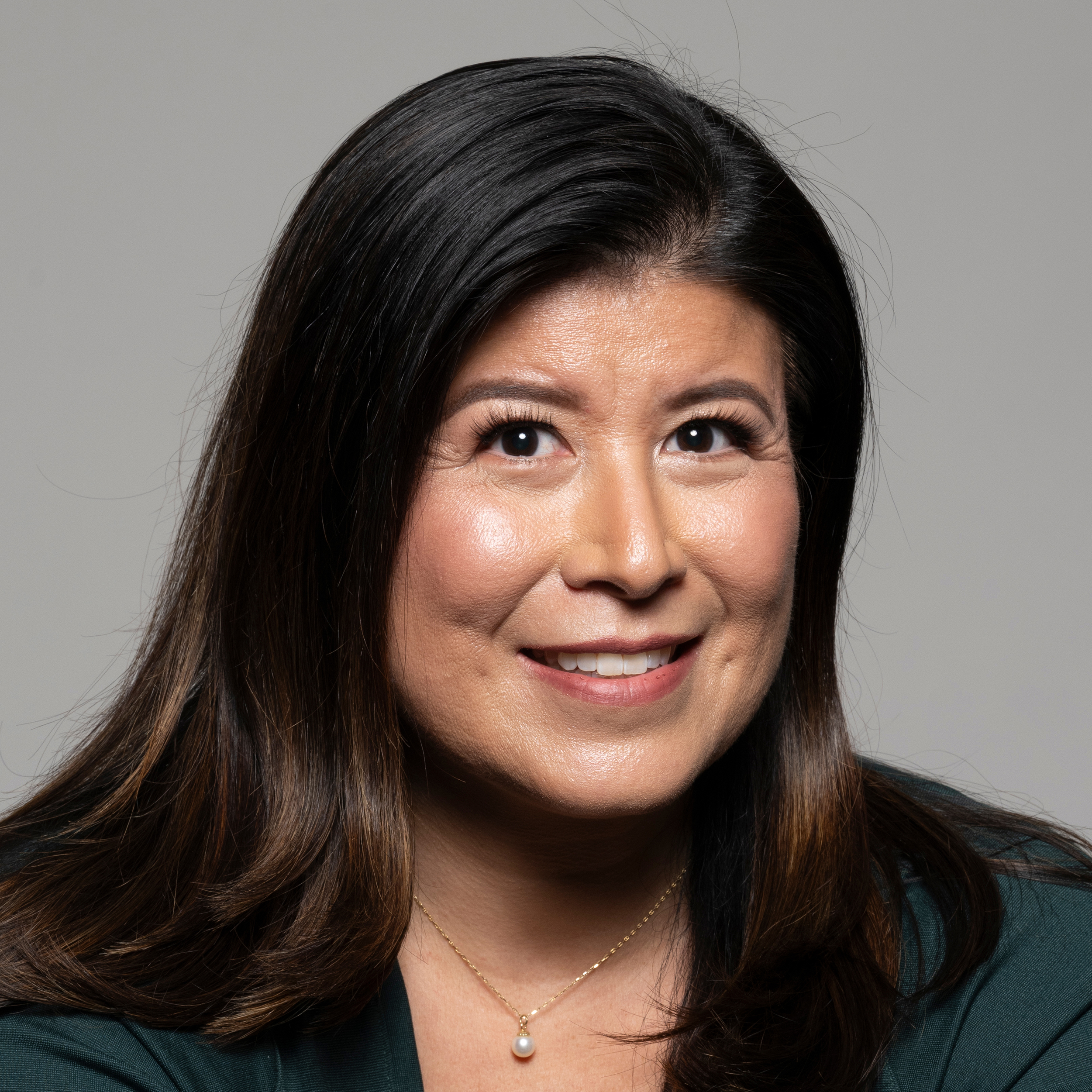
Journalist | Author
Sara Kehaulani Goo is a journalist and senior news executive who has led several news organizations including Axios, NPR and The Washington Post. She is the former editor-in-chief at Axios, where she launched the company’s editorial expansion into national and local newsletters, podcasts and live journalism. Before Axios, she led online audience growth as a managing editor at NPR, overseeing the newsroom's digital news operation. Goo also served as news director at The Washington Post, where she also served as a business editor and reporter. Originally from Dana Point, California, she graduated from the University of Minnesota's journalism school. She lives in Washington, D.C.


