Adam Arkin | From "Sons of Anarchy" to MGM+'s "American Hostage" | Conversant in Many Styles
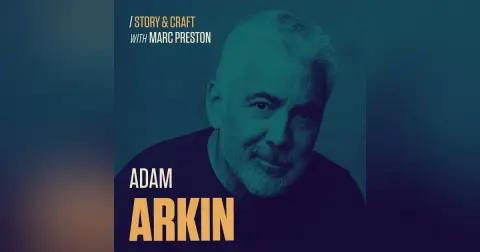
On this episode of Story & Craft, we sit down to chat with Actor and Director Adam Arkin from "Sons of Anarchy" and MGM+'s "American Hostage" to discuss his career and personal stories.
On this episode of Story & Craft, we sit down to chat with Actor and Director Adam Arkin from "Sons of Anarchy" and MGM+'s "American Hostage" to discuss his career and personal stories.
Adam opens up about his seamless transition from acting to becoming one of television’s most sought-after directors. He shares behind-the-scenes stories of shifting gears between massive modern projects like "The Night Agent," "The Offer," and his newest true-crime thriller, "American Hostage." We explore the awkward challenge of directing himself in scenes, the immediate relief of admitting to a crew when a shot just isn't working, and the secret to building absolute trust on set by letting actors do their work.
We also dive into his personal side, discussing the influence of his legendary father Alan Arkin and how he taught Adam to master multiple performance styles. From an early celebrity crush on Ursula Andress that shaped his childhood to his deep appreciation for a perfectly simple summer tomato sandwich, it's a fantastic look at the man behind the camera.
SHOW HIGHLIGHTS
[00:02:43] | Why releasing a new project brings out a mix of anxiety and excitement
[00:05:08] | Capturing the true 1970s reality without talking down to a modern audience
[00:07:49] | How his father Alan Arkin taught him to be conversant in many performance styles
[00:10:09] | Helping an actor embrace the intimidating legend of playing Marlon Brando
[00:13:30] | The awkward challenge of acting in a project you are also actively directing
[00:15:34] | Why immersing yourself in the story is more important than having a recognizable visual style
[00:18:21] | Finding immediate relief in admitting to the cast when a scene just isn't working
[00:20:02] | Recognizing the exact moment on set when you capture pure on-screen magic
[00:22:51] | Earning absolute trust by letting the actors do their work without interference
[00:23:46] | The Seven Questions
STAY IN THE KNOW
- Website: https://www.storyandcraftpod.com
FOLLOW THE SHOW
- Instagram: https://www.instagram.com/storyandcraftpod
- Facebook: https://www.facebook.com/storyandcraftpod
CONNECT WITH MARC
- Instagram: https://www.instagram.com/airpreston
- Facebook: https://www.facebook.com/marcpreston
Hosted by Simplecast, an AdsWizz company. See pcm.adswizz.com for information about our collection and use of personal data for advertising.
Don’t forget to like, subscribe and follow!
Show Site: https://www.StoryAndCraftPod.com/rate
Show Substack Page: https://storyandcraft.substack.com
Show Facebook Page: https://www.facebook.com/storyandcraftpod
Show Instagram: @StoryAndCraftPod
Show Bluesky: @storyandcraftpod.com
YouTube: https://www.youtube.com/@storyandcraft
Marc’s Facebook Page: https://www.facebook.com/marcpreston
Marc’s Instagram: @airpreston
Marc's Bluesky: @marcpreston.com
[00:00:00] Adam Arkin: I think a nine-year-old when I saw Dr. No and Ursula Andress came walking out of the ocean. I wanted to be Sean Connery and I, I wanted to go swimming with Ursula Andress.
[00:00:16] Announcer: Welcome to Story and Craft. Now, here's your host, Marc Preston.
[00:00:20] Marc Preston: All right, here we go. Back again, another episode of Story and Craft.
[00:00:25] Marc Preston: Welcome. Thanks for stopping back by. And if this is your very first episode, well, doggone it, thank you for, uh, checking in. Uh, today, uh, this is a chat I've been looking forward to. A very, very talented actor and director, Adam Arkin. I mean, he's acted, uh, in things like Chicago Hope, and, uh, Northern Exposure, and a lot of projects, but he has directed so many great shows.
[00:00:48] Marc Preston: I mean, when I'm sitting down watching a show, I see his name come up in the credits, I'm like, "He's directing all the stuff I love." Uh, he's directed, like, Get Shorty and Succession, The Night Agent, uh, Poker Face, Sugar, The Offer, [00:01:00] uh, The Santa Clarita Diet. I mean, the list goes on and on. A very talented guy.
[00:01:04] Marc Preston: Uh, of course, his father, the late, great Alan Arkin. Such a talented guy. Now, Adam's got a great new series out. It is called American Hostage. It is on MGM+. Uh, it just came out. It's with Jon Hamm and Giovanni Ribisi, Mirelle Enos. Uh, he directed and produced this. It's kind of like a 1970s neo-noir, like, thriller.
[00:01:25] Marc Preston: It's, it's a real-life story. We'll talk about it. Great chat. Really enjoyed sitting down with Adam. Uh, do me a favor. Make sure to follow Story and Craft. Make sure to grab your podcast app and click follow. That way you get notified. Every time a new episode comes out, boom, you get a notification. Uh, of course, leave a like if you don't mind.
[00:01:42] Marc Preston: I'd appreciate it greatly. Even leave a comment. Uh, helps people to discover Story and Craft, and I appreciate that greatly. Okay, so let's get into it. Uh, really been looking forward to this conversation. Uh, and we need to jump right in because today is Adam Arkin Day right here on Story and Craft. [00:02:00]
[00:02:01] Adam Arkin: Hey, Adam.
[00:02:01] Adam Arkin: How are you? Very well. How are you doing?
[00:02:03] Announcer: Doing well, thank you. It's a busy day for
[00:02:06] Marc Preston: you. I know you're ... It's kind of a shotgun, non-stop day for you here.
[00:02:10] Adam Arkin: Well, I just got off a plane from, uh, I, I flew back from Toronto. We were all up there for the TIFF, uh, premiere of the show on Saturday. So I, uh, I, I got off a plane and was whisked right here to the studio.
[00:02:24] Adam Arkin: So hopefully I'll be coherent.
[00:02:26] Marc Preston: I'm certain you will. But yeah, you're coming up on, um, a release of a show, and you've directed a lot. You've, have been in the business a long time, obviously. L- Right before something comes out, do you ever get, like, any anxiety? Like, "Okay, it's about to come out, I gotta..." Uh, do you start thinking about, like, how's it gonna go?
[00:02:40] Marc Preston: Or d- are you just, or is it just relief that it's, uh, finally getting released?
[00:02:43] Adam Arkin: It's something sort of in the middle of those two, i- i- which is generally i- you know, excitement. There, there are those rare times where, you know, the, the end result is something that, that has ended up being a little bit problematic, so you have to [00:03:00] find positive ways of speaking about it.
[00:03:03] Adam Arkin: But when you have a project that you're truly proud of, uh, a- as is the case with American Hostage, it, it, um, it, it gets very exciting as the time approaches that you realize that the world is gonna get to see it.
[00:03:17] Marc Preston: The period is the 1970s. That's kind of when you were coming up, let's say. Were you really kind of dialed in?
[00:03:22] Marc Preston: Was it, was it bringing back memories of kind of the, uh, '70s era for you? W- Was there anything that kind of
[00:03:27] Adam Arkin: stood out? Very much so, yeah. I, I was, um, I, I was old enough when these events actually occurred to, to remember them. There, there were images about, uh, Tony Koritzas' press conference, and the, the footage of him marching Dick through the streets of Indianapolis that, that, um, were kind of emblazoned in my memory.
[00:03:49] Adam Arkin: So, um, it, it, it, it was an interesting opportunity to kind of, uh, reimmerse myself in, in, in a time that was so sort of [00:04:00] fundamental to my own upbringing.
[00:04:02] Marc Preston: Yeah, that was back in the era, and I came out of the, uh, radio ecosystem, uh, many moons ago. And the guys I loved talking to were the ones who were on the air back in the '60s and '70s.
[00:04:10] Marc Preston: They had really good stories. You know, radio was more a part of people's life back then, you know? Yes. And I ... Was it difficult kind of translating to, I don't want to say a younger audience, but people maybe that don't remember there was a time before Spotify. You know, there was a time- Yeah ... you know, was it-- H- how did you kind of translate, uh, the, the kind of the intensity and the, you know, 'cause everybody's dialed into radio and their, you know, their 6:00 and 10:00 news at night?
[00:04:36] Adam Arkin: Well, a lot of that was baked, baked into the structure of the material. You know, it, it, uh, uh, Eileen and Sharon and Shawn, uh, just did a masterful job of, of, of writing these scripts. And, and the, the material was, was really rich. And the, and the stakes were very ar- well-articulated in the material. So I, I didn't, I, I don't think any of us were focused [00:05:00] so much on how do we- How, how do we indoctrinate a, a, a young audience into the realities of the 1970s?
[00:05:08] Adam Arkin: It was more a question of how do we remain true to what we remembered of that time and, uh, and, and remain true to what the, what the stakes and the relationships in the, in the text, uh, were, were trying to explore.
[00:05:27] Marc Preston: The other night I was watching, uh, Night Agent. You literally cross every genre you could possibly think of, like the, uh, I mean, going from Sons of Anarchy to, uh, The Offer.
[00:05:36] Marc Preston: Is it hard for you to move between, or is that your preference? Do you like moving between genres? Or which, or maybe more to the point, what is it that makes you decide, "That's the project I wanna work on"?
[00:05:46] Adam Arkin: Um, qu- just, just stories that, that, that, that, that, that grab my attention and, and there, there, there are no hard and fast rules to that, uh, other than the, the fact that the, [00:06:00] the, the quality and the depth of the writing needs to be there.
[00:06:04] Adam Arkin: Uh, but if, if that's cooking, then, then there's no one genre or style that, that, um, that I consciously gravitate towards. When I first started directing, the, the, um, I had a, a, a, an agent that was very much kind of a mentor and he, he, um, he said, you know, "Comedy is gonna be where we're gonna hit with you. I can feel this is where we sh- we should focus."
[00:06:30] Adam Arkin: And we did, and in spite of that, a lot of the first work that I did was very gritty, kind of edgy drama. Um, a, a lot of shows on FX, Sons of Anarchy. Um, you know, you had mentioned Night Agent. The, one of the reasons I, I got to do American Hostage is because of m- my association on Night Agent. It's, it's, I've worked for Shawn Ryan multiple times on different shows, many of them with different tones.
[00:06:59] Adam Arkin: A, a [00:07:00] show called Terriers, uh, Chicago Code, Lie to Me, all, all different tonally from one another. And, um And in the case of, of Eileen, um, she and I were paired up on, on an episode of Night Agent, uh, in season three right as the plans to do American Hostage were coming into focus, and that's where her, uh, she first floated the idea of my getting to be involved.
[00:07:28] Adam Arkin: So, uh, it's all interconnected. And, you know, I grew up, I grew up with a father that, that, um, was a masterful actor and, and, and thought of the job of an actor as being, uh, one that, that required being as conversant in as many styles as possible, you know?
[00:07:49] Marc Preston: Well, it's kind of like life has a lot of different notes and moments throughout the arc of somebody's life.
[00:07:53] Marc Preston: So- Uh-huh ... that, you know, and, um, a- and another one who, uh, Giovanni Ribisi. You, you worked with him [00:08:00] also on, um, on The Offer. I watched that with my son, and he's, you know, a film buff as well, and he... That was such a fun, uh, project to watch. Yeah, he's crazy versatile. I mean, he re- he, we talk about going from comedy to m- much more serious things.
[00:08:13] Adam Arkin: He's a brilliant actor. Re- uh, uh, this is actually the third project I've, I've gotten to work with Giovanni on, uh, 'cause I, I, I directed him in a, a couple of episodes of, uh, Sneaky Pete as well.
[00:08:25] Marc Preston: Oh, that's right. That's
[00:08:26] Adam Arkin: right. And, uh, he, uh, he never fails to bring a kind of depth and surprise, uh, to, to what he's doing.
[00:08:34] Adam Arkin: And, and he's also just one of my favorite people in the world. He's a, a r- really stellar human being and a great, great, great person to be on set with.
[00:08:44] Marc Preston: When, when you were doing The Offer, this is hearkening back to a time and an ecosystem, uh, you mentioned your father. Yeah, I know. Uh. The, these are people the, that you knew or you interacted, or you at least knew of, you know?
[00:08:55] Marc Preston: Yeah. Uh, but I, I ran across a s- a story. I didn't fully dive into it, but [00:09:00] all I, all I remember is, uh, uh, it said something to do with Marlon Brando and a peach, and it was, uh, something about preparing for a, a scene or... Can you expand on that? 'Cause, uh, you know, having a M- Marlon Brando experience is, uh... The way he centered himself or the way, you know, the character who was playing Marlon Brando- Yeah
[00:09:17] Marc Preston: you were giving him advice on how to kind of get there and- Justin,
[00:09:20] Adam Arkin: yeah ...
[00:09:20] Marc Preston: Didn't, didn't you pull from an actual experience from sitting down with Marlon Brando?
[00:09:25] Adam Arkin: Ye- uh, I, I never got to sit down with Marlon Brando personally. My, my, my father ha- ended up having a meal at, at, at Brando's house at Brando's request because he had wanted to, I think, pick my father's brains about, um About h- his approach to comedy.
[00:09:45] Adam Arkin: He was about to start work on The Freshman, and, uh, and I think he- Oh, yeah ... he, he wanted to talk to Dad about his experiences working with that director and, um... But I, I'm, I'm a, uh, you know, like, like everyone el- [00:10:00] uh, in, in this business practically, I was a huge fan of his work. And when, when we were working on the offer, I, I said to Justin, you know...
[00:10:09] Adam Arkin: He, he was... Justin was nervous about taking on the legend that is Marlon Brando and, and be- you know, uh, stepping into the shoes of such an iconic presence. And the, the two things I said to Justin were, you know, "Feed off of what other people are gonna be giving you. Because when you walk into the room as Brando, people are gonna be reacting to you as Brando, and use that.
[00:10:37] Adam Arkin: You know, t- take, take the power of how people are, are reacting to your presence, let that fuel what you're doing, number one. And also, don't, don't be, don't be sucked into conventional social norms, in terms of how a conversation goes on." He... Brando s- struck me as someone that was [00:11:00] living constantly, uh, alive in his own sensory life.
[00:11:05] Adam Arkin: So, um, w- in, in one of the scenes we were working on with, with Justin as Brando, there, there was, there was fruit, uh, and, and, and, like, cheese platters in the room. And I said, "You know, i- if he focuses on a, on a piece of fruit, that's gonna be what gets his full attention for a moment, even if he's in the middle of a conversation with someone.
[00:11:27] Adam Arkin: And they will wait until he's ready to reengage." Uh, a- and, and, and he... I think Justin took that and ran with it, and, um, and, uh, and ended up, I think i- i- you know, really embracing that.
[00:11:42] Marc Preston: Yeah, I think the s- wasn't the story in, in The Godfather that, uh, the cat that he was... When he was sitting at his desk in his office at home, he was petting a cat.
[00:11:49] Marc Preston: That was, like, some stray cat that just kinda wandered in, and he just sort of, kind of embraced. I
[00:11:53] Adam Arkin: think, yeah, I f- I, I don't know that it was a stray, but it was, it was a, a cat that had been, you know, sort of present and living on [00:12:00] the set, and it, it just happened to, uh, decide it was gonna make itself a part of the scene.
[00:12:13] Marc Preston: In the projects you work on where you actually take on a role within the project, how do you decide on that? Is this, is it, is it just is this, is a producer like, "Come on, man, you got the chops. Do, do the thing" Or is it just... H- how do you decide, or how do you decide to get into a scene?
[00:12:28] Adam Arkin: I have, well, I have never decided to cast myself in something.
[00:12:33] Adam Arkin: Um, e- even, even when I've ended up acting in things that I'm directing, it's, it's, uh, I've always taken my cue from, from somebody else getting the idea and, and running it by me. Uh, th- there, there have been a couple of times where people have floated the idea and I've said, "I, I don't, I, I, I, I don't think I can do both things as effectively as you want me to be doing them."
[00:12:56] Adam Arkin: Um, in this case, it was, it was a role, um, [00:13:00] the, the role of Ruckelshaus in, in, uh, American Hostage was, was one that, that didn't have to do so much heavy lifting that I thought it was going to be conf- you know, in conflict with my duties as a director. Um, and, um, you know, to be totally honest, I, I've acted for so much of my life that it, it, um It, it's, it's not the, um, it's, it's, it's not the huge leap for me.
[00:13:30] Adam Arkin: Uh, i- if anything, at times it can feel a little bit like, uh, an awkward inconvenience because I'll be in, in my directing mode and s- then suddenly remember that, you know, after lunch I've gotta go change into these other clothes and pretend- Yeah ... to be somebody else. Um-
[00:13:46] Marc Preston: Well, how, how does that typically work?
[00:13:47] Marc Preston: When you are, uh, gonna act, do you sort of rely on your DP to sort of ki- not, not direct you, but to kind of give you the feedback you need? Or how do you get the feedback whenever you're actually in front of the camera and you're directing?
[00:13:58] Adam Arkin: Yeah. [00:14:00] I, I, uh, the days that I'm, I'm acting on anything that I'm directing, I, I always ask, um, i- if at all possible to have playback available.
[00:14:10] Adam Arkin: Um, you know, wh- when you're directing film or television, you, you do second team rehearsals, so you know what the shot is, you know what the blocking is. Um, and, and you, you, you do the directorial assessment of that, but then once I have to step into the role and be in front of the camera, I, I really try to put that out of my mind and trust that the, the shots that we've set up and the way we've marked everything i- is gonna take care of itself.
[00:14:40] Adam Arkin: Um, and now it's time to just sort of immerse myself and, and play with my fellow actors, a- knowing that when a take feels like it's been good enough and achieved what we want it to, I, I can just step out and do a quick review of, of the last take or two and make sure we [00:15:00] have something that, um, that, that won't bring the whole project down as a result of my acting.
[00:15:05] Marc Preston: Oh, I doubt you would ever do that. N- Uh, I'm curious, though, when you think about, you know, the great actors, and you have a, a laundry list of stuff I enjoy watching, so yeah, it's always fun to see your name pop up in the credits, like, "Oh, Adam directed this." Do you feel like, like, uh, let's, let's say a producer's like, "We want Adam Marc and we want his style," do you feel like you have a tone and a style that is recognizable?
[00:15:25] Marc Preston: Is that something you ever shoot for or that you're wanting to kinda create something that is uniquely you, that people can go, "Okay, that's that style we want"?
[00:15:34] Adam Arkin: I, I don't, I don't think of it in terms of honoring a style that I've created for myself. Um, I, I- I come from a school, I think, that, that, that, that says that, that the, the job of a, of, of an actor or director, um, a storyteller is to immerse [00:16:00] themselves in, in, in the reality of the story you're trying to tell as completely as possible.
[00:16:06] Adam Arkin: Um, now I say that firmly believing that, that, you know, everyone has, you know, we're, we're all, we're all like snowflakes. I don't mean in the political sense, but we're all snowflakes in, in, i- i- or, or, or fingerprints. Everyone does have an imprint, whether they're consciously trying to, you know, have a style or not, they're gonna be, they're gonna be things that you're drawn to, um- Qualities in performance, qualities in, in, in editing, um, that, that I think for someone that's r- really familiar with any one person's work might become recognizable.
[00:16:49] Adam Arkin: But it's not something I consciously say like, "I've gotta do this in the style of myself," in some way, you know?
[00:16:56] Marc Preston: Yeah. Have you ever had a moment, there is a scene you're doing or you're [00:17:00] directing, and things just aren't clicking the way you want, you know? Yes. The things are... Do you say, "Okay, let's just take a coffee break"?
[00:17:05] Marc Preston: Because I'm sure as a director you start noticing, you know, the actor's disposition, every- Yeah ... how do you, how do you marshal things back onto the rails, uh, when you just feel like... 'Cause it happens, I'm sure, you know, to everybody. Uh, how do you do that?
[00:17:18] Adam Arkin: Yeah. Well, it- it's a good question. And, and, you know, early, early in, early in my directing career, um, when I was faced with situations like you're describing where w- for whatever reason, your, your Spidey sense tells you, like, "This is not, this is not working the way it needs to.
[00:17:38] Adam Arkin: It's... We're not, we're not telling this part of the story the way it needs to be told for the rest of it to work," early on I would become really tense and scared, uh, in those moments because by admitting it, I felt I'd be, like, admitting that I didn't know what I was doing or I'd, you know, wa- was inept and, [00:18:00] or that people couldn't trust me.
[00:18:01] Adam Arkin: I have found that just the opposite is true, that, um... And, and part of it is just comes with the territory of having done as much directing as I've done now, where if, if a scene is not working, I, I have no compunction now about saying like, "This is not working. Uh, a- and, and part of it is due to how I staged it.
[00:18:21] Adam Arkin: There's a better way for this to be done." And I can't tell you how much relief people will have, because nine times out of 10, everyone's sort of sharing the similar feeling.
[00:18:33] Marc Preston: It's kind of like a pink elephant in the room- And- ... where everybody's kind of feeling it,
[00:18:36] Adam Arkin: yeah ... yeah. And, and, and, and, and I... It's not all up to me.
[00:18:42] Adam Arkin: Uh, and I think sometimes by, by admitting that, that, you know, you wanna revise your approach to something, um, and being confident that you have the time and the skill set to find the truth of a given scene, um, it allows everyone to, to [00:19:00] relax and feel like the whole thing is a continuous process of discovery, you know?
[00:19:05] Marc Preston: Well, conversely, uh, can you cite a moment... Let's, let's look at even American Hostage. Was there a moment when, uh, the scene was, was going, it was rolling, and everybody was kind of in flow, everything was clicking? And when you're feeling it, you know everybody's clicking, how do you handle those moments? Can you s- Was there something in American Hostage where it was just like, "This is perfection.
[00:19:26] Marc Preston: This feels really good," you know?
[00:19:28] Adam Arkin: There were moments where I knew we had gold. Mm-hmm. Um, where- You know, as familiar as you, as you become with the material, as much as you've seen the p- the, the scene played out in rehearsals, something will happen in a take or a give and take at, at a point in the day where you're, you're, you're suddenly affected by, by this scene that you've watched forming, sometimes for hours, and it will, it, [00:20:00] it'll just suddenly hit you, and you know you're onto something.
[00:20:02] Adam Arkin: There, there was one sequence for sure that, that stands out to me, which, uh, I don't wanna give too much away, but it's a, it's a scene in, um, in one of our middle episodes where Fred Heckman decides to share an aspect of his own personal life, um, a, a personal tragedy with, with Tony in order to bring Tony out of a, a, a deep and dangerous depression.
[00:20:27] Adam Arkin: And, uh, and in doing so betrays some confidences in, in his marriage. And the level of performance on John's part and, and in Giovanni's... Gio- Giovanni simply listening to Fred in that scene, and we were shooting those scenes simultaneously. Both, both sets had cameras on them, so the actors were actually relating to one another in real time, and I just knew that [00:21:00] we had something incredibly special.
[00:21:02] Adam Arkin: And, and that was without even adding to the scene the, the, the work that we later did with Mireille who, who did, uh, phenomenal work of just sitting at home listening to the radio and feeling her own, her own personal life being trotted out on display for the whole town to hear. It, it, it, w- it was just a, a beautiful thing to watch manifesting as we were doing it, and, uh, and it's remained some of my favorite stuff in the, in the series.
[00:21:34] Marc Preston: Yeah, she's so talented, uh, you know, in, uh- She's wonderful ... in Hannah. That was such... I mean, her whole arc in that was so fantastic. Uh, but what I find as a director, it's y- you y- uh, having acted, I'm s- uh, and I know you gotta kinda take the sheathing off the wires and kinda be naked a little bit, and, and people are giving you quite a bit of trust, you know?
[00:21:53] Marc Preston: Yeah. And that's kind of, that's... Is that a big part of it for you? Is this, uh, your initial... When you sit down and you start, uh, the initial stages [00:22:00] of, of a project, is it really just kind about building trust with the actors, you know? Is that, is that a big part of it?
[00:22:05] Adam Arkin: Very much so. Um, a- and, and I, I think, I think that trust is built by, um- Uh, well, staying present is a big thing.
[00:22:17] Adam Arkin: Uh, and, uh, when, when you, when you allow an actor to know that you are seeing what they're going for and, and wanting to protect that, it goes a long way towards building trust. When you, when you don't feel the need to insert yourself in something as a director, it builds trust. If something's working and, and it's, and it's, and it's clicking without a huge amount of input from you, you don't need to invent something to say or do or add to it so that you can feel like you're a part of the mix.
[00:22:51] Adam Arkin: Sometimes the most significant contribution you can do, uh, that you can make is, is by letting what's [00:23:00] happening happen and, and not, not put your own imprint over everything. As a director, I, I truly want to be of service to- Mm-hmm ... to the story, to the company, and to the actors. And, and when things are going right, I think actors, uh, can feel that intention and, and, and, and trust it.
[00:23:28] Marc Preston: Well, tell me, Adam, uh, one of the things I do on the back end of all my chats, I do some of my, my quick seven questions. It's just a little extra fun I like. Okay. And I always talk food at least once on my show. Uh, for you, first question, what, what's your favorite comfort food? You know, that one thing that makes you feel good if it's a crummy day, or if it's actually a great day, it kinda elevates it for you.
[00:23:46] Adam Arkin: Well, we're coming out of the summer. I mean, uh, my, my go-to meal if I could only eat one way for the rest of my life would probably be Japanese food and sushi. I'm, I'm a huge fan of, of good Japanese c- cuisine. [00:24:00] Um, but, uh, coming out of the summer, um, m- my comfort food this summer was, um, tomato sandwiches.
[00:24:08] Adam Arkin: You know? Getting a great organic heirloom tomato, cutting it thick, putting it on a piece of i- i- in, in this case, oftentimes just white bread or a, or a, uh, u- a Hawaiian roll with some Duke's mayonnaise on it.
[00:24:25] Marc Preston: Mm-hmm.
[00:24:25] Adam Arkin: It's, it's one of the great sandwiches in the world, and it could not be more simple.
[00:24:28] Marc Preston: There's
[00:24:28] Adam Arkin: something about
[00:24:28] Marc Preston: the simplicity of a good thing, you know?
[00:24:30] Adam Arkin: Yeah.
[00:24:31] Marc Preston: Uh, next question I got is, uh, if you're gonna sit down for coffee, you, three people, talking story for a whole afternoon, uh, living or not, who would those three people be?
[00:24:40] Adam Arkin: Oh my God, that's, that's a big one. Well, uh, you know, I, I lost my dad about three years ago.
[00:24:49] Adam Arkin: And, uh, I, I, I, I think any list of people that I would like to be able to sit down and be exchanging stories with, would, would, would have to include him. Uh, I miss him terribly, [00:25:00] and he was one of the most entertaining and surprising people I've ever known. I, um, I would love to, uh, sit down with, uh, let's see, uh, s- Kurt Vonnegut-
[00:25:14] Marc Preston: Mm-hmm
[00:25:14] Adam Arkin: I think would be a wonderful person to share a meal with. And, um- Let's see who else. Maybe, um, just f- just for the fun of it, I, I, I'd throw, uh, Jimi Hendrix in there too.
[00:25:30] Marc Preston: Oh, that would be fun. Plus you could s- see them talking together, yeah. Now, uh, the next question, who was your very first celebrity crush when you were a young man?
[00:25:39] Adam Arkin: I was just talking about this the other night. Um, my mind was completely blown, uh, as a, I think, a nine-year-old when I saw, um, Dr. No and Ursula Andress came walking out of the, the ocean. Um, I, I, I, I wanted to be Sean Connery, and I, I wanted to go swimming with [00:26:00] Ursula Andress.
[00:26:02] Marc Preston: You're nine years old going, "Hmm, what's happening here?"
[00:26:04] Marc Preston: Yes. Um, now next question. If you're gonna be forced to live on an exotic island, somewhere you actually wanna be for a whole year, but you can, no streaming. You gotta bring, uh, one CD if you wanna listen to music and one DVD if you watch a movie, uh, just over and over again. What would that CD and what would that DVD be for you?
[00:26:21] Adam Arkin: The CD would be, um... It would be a, it would be an album by, by, uh, m- m- my, my friend and, and, and musical hero, uh, John Scofield. Uh, there, there's an album that he did, a jazz gui- brilliant jazz guitarist. There's an album he did called Hand Jive that, um, I actually got to be in the studio for part of his recording it, and it, it, it remains, uh, uh, uh...
[00:26:47] Adam Arkin: It, it's just a perfect album to me, and I, I never tire of listening to it. I, I, I know a lot of his solos on it, uh, by heart and, uh, I s- I hear something new every [00:27:00] time I listen to it. And, uh, DVD, it's really impossible to boil it down to one, but I, I, I can say that a film that, that gives me just unbridled joy every time I watch it, um, and makes me laugh is, uh, the f- the Howard Hawks comedy, Bringing Up Baby with Katharine Hepburn and Cary Grant.
[00:27:22] Adam Arkin: One of my favorite lines of dialogue ever written in it, Cary Grant says to Katharine Hepburn, "Well, goodbye, Susan, and I hope I never lay eyes on you again. It's not that I don't like you. In fact, in moments of quiet, I find myself strangely drawn to you. It's just that, uh, well, there haven't been any quiet moments."
[00:27:41] Adam Arkin: Uh, I think it's a perfect, perfect line of dialogue.
[00:27:46] Marc Preston: I need to go watch that now. Uh, now last couple questions I got for you. Uh, definition stem to stern, from the time you get up to the time you go to bed, what are a few of the, um, the essential ingredients of a day you can say, "That was a perfect day for me"?
[00:27:59] Adam Arkin: [00:28:00] Um, a great cup of coffee, uh, conversation with my wife, um- Uh, some kind of communication with my kids and some time in nature, uh, with our, our precious, uh, pit bull dog
[00:28:20] Marc Preston: Very good. Very good. And, uh, next question, if this wasn't on the agenda, you know, acting, directing wasn't available to you, and somebody said, "Okay, what's the number two?"
[00:28:29] Marc Preston: What, what would be the other vocation that you would do that would bring you joy, you feel?
[00:28:34] Adam Arkin: It, you know, it's an offshoot of, of my acting career that I've gotten to play certain roles that, that in the playing of them, I, I, I have felt very at home in a way. Um, and I, I, I think the idea of, of being a therapist of some sort, um...
[00:28:52] Adam Arkin: I, I, I played a trauma therapist on, on The West Wing and, um, and I felt [00:29:00] very, very at, at home in, in that role and felt like it would be a really meaningful way to, um, to engage on a professional level, yeah.
[00:29:12] Marc Preston: Very good. And the very last question I got, uh, if you were to jump in that DeLorean and you're gonna be going back to when you were 16 years old and you got a couple of minutes with, uh, y- 16-year-old you, what's that piece of advice or guidance or, uh, wisdom you'd like to pass along, uh, to 16-year-old Adam?
[00:29:28] Adam Arkin: Um, I, I would, I would urge myself to be, uh, more teachable.
[00:29:34] Marc Preston: Thank you so much. Enjoy the rest of your day, and then hopefully get a good cup of coffee. Well, there you go, the very, very talented Adam Arkin. Uh, like I mentioned before, he, uh, is not only a great actor, but the stuff he's directed, he's literally one of those guys you go, "Oh yeah, he's directed everything," you know?
[00:29:52] Marc Preston: Uh, and just, uh, enjoyed the sit-down, enjoyed the chat, the opportunity to bring up, uh, o- one of my favorite actors, his father, the late, great Alan [00:30:00] Arkin. I mean, gotta give him props most certainly. And of course, you can check out American Hostage. It is on MGM+ right now. And, uh, I am, I am so looking forward to getting through the, uh, series because, of course, it's based around radio and, uh, k- kind of what that was all about in the 1970s, a true story.
[00:30:19] Marc Preston: I mean, there's so many layers that make this a cool project to check out. Okay, do me a favor if you would. Uh, make sure to follow Story and Craft on your podcast app if you're, uh, whatever, Spotify, uh, uh, YouTube. Wherever you happen to be, make sure to follow the show. Get notified when a new episode comes out, and make sure to also like the show, leave comments, helps people to discover the show.
[00:30:40] Marc Preston: And if you go to storyandcraftpod.com, the website, everything is there you could possibly wanna know about the show. And of course, if you wanna get notified by email and a little breakdown about what each episode's about, just put your email in there. Get on the newsletter. All right, so, uh, go have a great rest of your day or evening or whatever you got going on.
[00:30:59] Marc Preston: Hey, as I [00:31:00] always say, thank you so very much, uh, for making what I've got going on here part of what you've got going on. It does mean a lot, uh, that you bring me into your earbuds or your speaker or whatever have you, and, uh, we get a chance to sit down and chit-chat. Uh, have a great one and, uh, I'll check you next time right here on Story and Craft.
[00:31:17] Announcer: That's it for this episode of Story and Craft. Join Marc next week for more conversation right here on Story and Craft. Story and Craft is a presentation of Marc Preston Productions, LLC. Executive producer is Marc Preston. Associate producer is Zachary Holden. Please rate and review Story and Craft on Apple Podcasts.
[00:31:39] Announcer: Don't forget to subscribe to the show on Apple Podcasts, Spotify, or your favorite podcast app. You can subscribe to show updates and stay in the know. Just head to storyandcraftpod.com and sign up for the newsletter. I'm Emma Dylan. See you next time, and remember, keep telling your [00:32:00] story.
Actor | Director
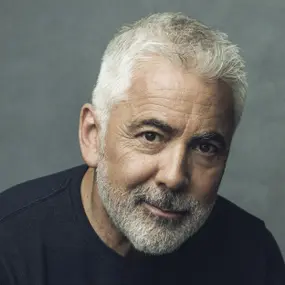
Adam Arkin is an American actor and director. He is best known for playing the role of Aaron Shutt on Chicago Hope. He has been nominated for numerous awards, including a Tony (Best Actor, 1991, I Hate Hamlet) as well as three primetime Emmys, four SAG Awards (Ensemble, Chicago Hope), and a DGA Award (My Louisiana Sky). Between 2000-2002 he played the recurring role of Dr. Stanley Keyworth in The West Wing, most notably in Season 2, Episode 10, "Noel". In 2002, Arkin won a Daytime Emmy for Outstanding Directing in a Children's Special for My Louisiana Sky. He is also one of the three actors to portray Dale "The Whale" Biederbeck on Monk. Between 2007 and 2009, he starred in Life. Beginning in 1990, he had a recurring guest role on Northern Exposure playing the angry, paranoid Adam, for which he received an Emmy nomination. In 2009, he portrayed villain Ethan Zobelle, a white separatist gang leader, in Sons of Anarchy and Principal Ed Gibb in 8 Simple Rules (2003–2005). His brother Matthew is also an actor, as was his father, Alan Arkin.


